 Least Concern
 European Herring Gull
Larus argentatus
Also known as: Herring Gull
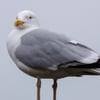
The European Herring Gull (Larus argentatus) is a large, adaptable gull found throughout Northern and Western Europe. Recognisable by their light grey backs, white underparts, and strong yellow bills featuring a distinct red spot, they are famously vocal and opportunistic. Although traditionally associated with coastal cliffs and islands, they have increasingly colonised urban areas where they often nest on rooftops and scavenge for food.
Did you know?
The red spot on the adult's bill serves as a target for chicks; when a chick pecks the spot, it triggers an instinctual regurgitation response from the parent to feed it. European Herring Gull Quick Facts
Detailed Information on the European Herring Gull
Weight
1.05 kg
Height
60 cm
Length
60 cm
Wingspan
140 cm
Top Speed
60
km/h
Social Structure:
Highly gregarious (Flocks/Colonies)
Activity Pattern:
Diurnal
Trophic Level: Omnivore
Migration: Resident or partial migrant
Population Trend: Decreasing
Main Threats:
- Avian influenza
- Depletion of fish stocks
- Changes in refuse management
Coastal towns in the UK
North Sea coastlines
Family: Laridae
Order: Charadriiformes