Wading Birds
Explore 19 elegant waders, from graceful herons to striking flamingos.


Wading Bird FAQs
Quick answers to the things people most often ask about wading birds.
Wading birds are long-legged birds that feed in shallow water, mud, or wet grassland. In this collection, that includes herons, egrets, storks, cranes, ibises, spoonbills, and flamingos.
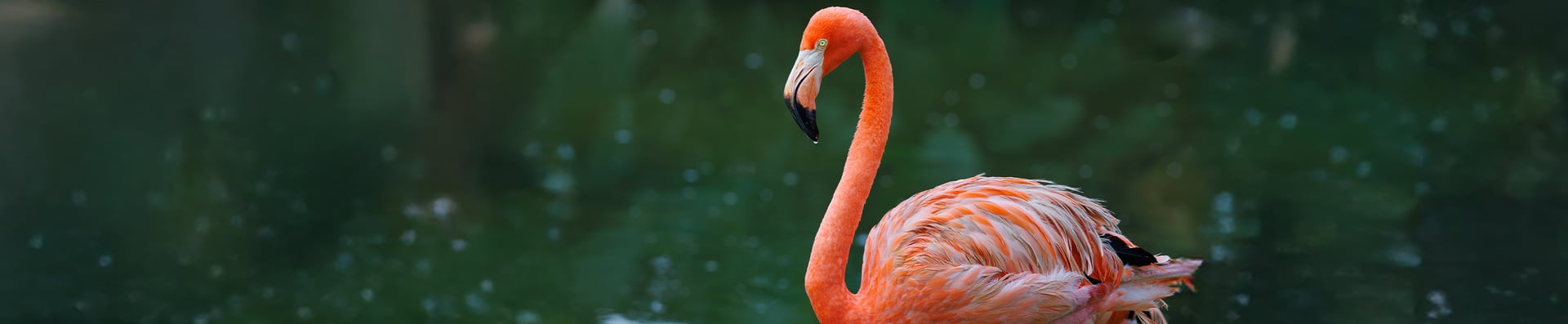
The colour comes from carotenoid pigments in the algae and small crustaceans they eat. Flamingo chicks hatch with grey or white down and develop their pink plumage gradually as they grow.
Flight is often the easiest clue. Herons fly with their necks pulled back into an S shape, while storks and cranes fly with their necks stretched out. Cranes also tend to have shorter bills than storks.
The most widely accepted explanation is that it reduces heat loss, particularly when standing in cold water. Research on flamingos also suggests the pose takes very little muscular effort.
No. Despite its stork-like appearance and former name of whale-headed stork, the Shoebill is more closely related to pelicans. It is listed as Vulnerable and lives in the swamps of East and Central Africa.
Wading bird photography: herons, flamingos & storks
Wading birds are defined by patience, reach, and a close relationship with water. This section brings together species that feed and move through marshes, shallows, floodplains, and lake edges, where shape and posture often matter just as much as colour.
The gallery works well as both a visual collection and a way to compare how different wetland birds occupy similar spaces. If you want to continue through related habitats, visit waterfowl or return to the full bird archive.
Wetlands are among the most dynamic and threatened ecosystems on Earth, and their avian inhabitants are a testament to evolutionary adaptation. I frequently update this gallery with new encounters, capturing the quiet elegance of herons stalking prey and the synchronized movements of flamingo flocks. My ongoing visual records highlight the critical importance of preserving global wetland habitats.