

Ungulate FAQs
Quick answers to the things people most often ask about ungulates.
Ungulates are mammals with hooves or that evolved from hoofed ancestors. They are often divided into even-toed species, such as deer, antelope, and hippos, and odd-toed species, such as zebras, horses, and rhinos.
Yes. Despite their appearance, hippos are the closest living relatives of whales and dolphins. They spend much of the day in water to keep cool, then typically leave it at night to graze.
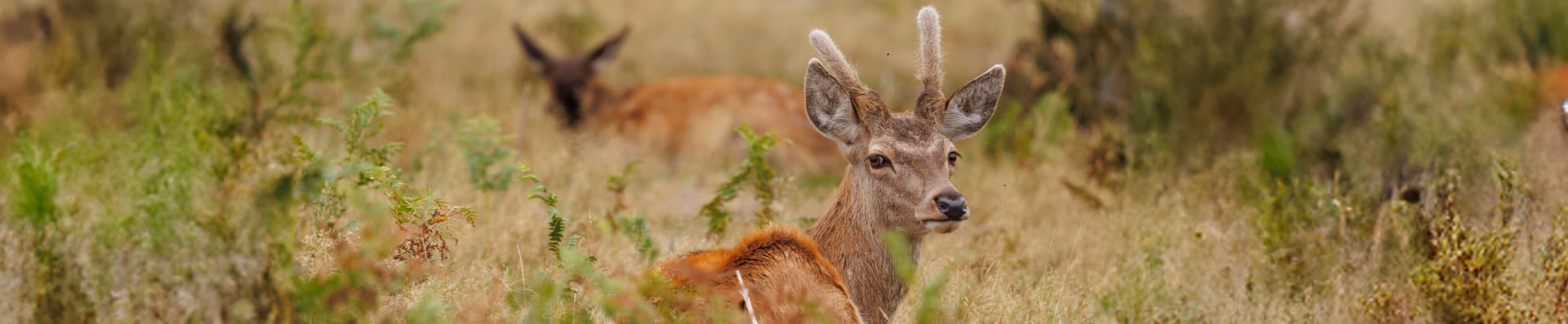
Antlers are made of bone, are usually grown by males, and are shed and regrown each year, as in Red Deer. Horns are permanent, with a keratin sheath over a bony core, and Common Eland of both sexes have them.
The strongest evidence suggests that stripes help to deter biting flies, which find them difficult to land on. Each Plains Zebra also has its own unique pattern, which may help individuals to recognise one another.
During the breeding season, known as the rut, males compete for access to females. Stags such as Red Deer use deep roars and parallel walks to assess rivals, and may lock antlers if neither backs down.
Ungulate photography: deer, hippos & hoofed mammals
Ungulates are easy to underestimate until you start comparing how different hoofed mammals shape the places they live in. This section covers species from the Red Deer in British parkland to much larger grazing and semi-aquatic mammals, with the emphasis placed on form, habitat, and behaviour.
It is a useful browse through some of the most ecologically important herbivores in the wider archive. From here you can return to all mammals or follow location-based stories in the blog where several of these species appear in context.
Ungulates are the vital link in many food webs, shaping the landscapes they inhabit through grazing and migration. I am constantly expanding this gallery to showcase the remarkable diversity of hoofed mammals, from the delicate antelopes of the savannah to the rugged wild sheep of the mountains. My new additions will continue to explore their fascinating behaviors and their critical role in maintaining ecological balance.