 Least Concern
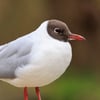
 Black-headed Gull
Chroicocephalus ridibundus
Also known as: Common Black-headed Gull
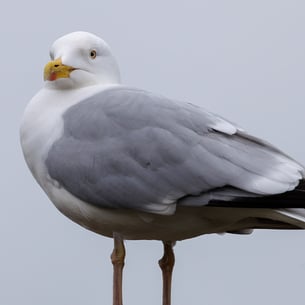
The Black-headed Gull (Chroicocephalus ridibundus) is a small, adaptable gull that breeds across much of the Palearctic. Despite its name, its head is actually dark chocolate-brown during the summer breeding plumage, returning to white with a dark smudge behind the eye in winter. Highly vocal and gregarious, they are common year-round in coastal areas, inland wetlands, and increasingly in urban spaces.
Did you know?
The scientific name 'ridibundus' means 'laughing' in Latin, referring to this gull's raucous, harsh call that resembles a laugh. Black-headed Gull Quick Facts
Detailed Information on the Black-headed Gull
Weight
0.3 kg
Height
38 cm
Length
40 cm
Wingspan
100 cm
Top Speed
50
km/h
Social Structure:
Highly gregarious (Flocks)
Activity Pattern:
Diurnal
Trophic Level: Omnivore
Migration: Resident or partial migrant
Population Trend: Stable
Main Threats:
- Avian influenza
- Coastal development
Regent's Park (London)
European coastal wetlands
Family: Laridae
Order: Charadriiformes