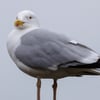
European Herring Gull
Larus argentatus
Also known as: Herring Gull
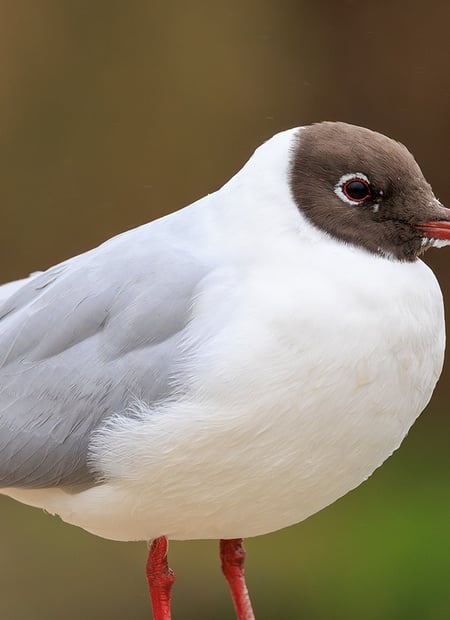
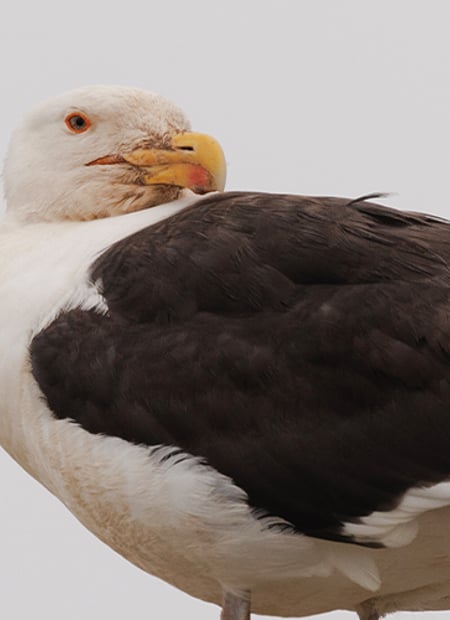
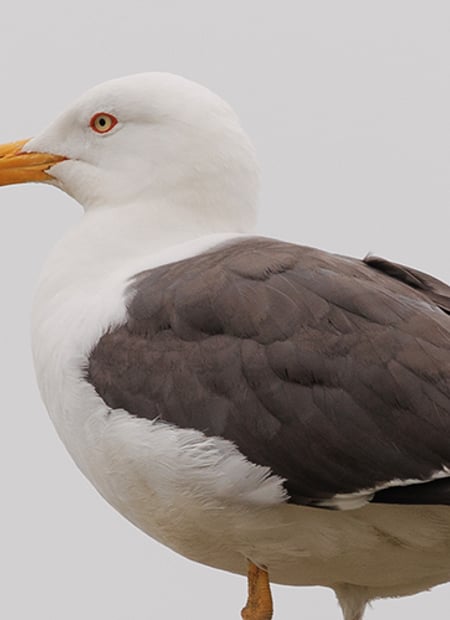
The European Herring Gull (Larus argentatus) is a large, adaptable gull found throughout Northern and Western Europe. Recognisable by their light grey backs, white underparts, and strong yellow bills featuring a distinct red spot, they are famously vocal and opportunistic. Although traditionally associated with coastal cliffs and islands, they have increasingly colonised urban areas where they often nest on rooftops and scavenge for food.
European Herring Gull Quick Facts
Frequently Asked Questions About the European Herring Gull
The European Herring Gull is resident or partial migrant and is associated with Coasts, estuaries, inland lakes, urban areas in Northern and Western Europe.
The European Herring Gull can be found in Northern and Western Europe and is most often associated with Coasts, estuaries, inland lakes, urban areas.
The European Herring Gull feeds on Fish, marine invertebrates, insects, carrion, human food scraps and is considered a omnivore.
The European Herring Gull is currently listed as Least Concern, with a decreasing population trend. Main threats include Avian influenza, Depletion of fish stocks, Changes in refuse management.
The European Herring Gull is usually highly gregarious (flocks/colonies).
The European Herring Gull is typically diurnal.
The main threats facing the European Herring Gull include Avian influenza, Depletion of fish stocks, and Changes in refuse management.
The European Herring Gull population trend is currently decreasing.
Well-known places to look for the European Herring Gull include Coastal towns in the UK and North Sea coastlines.
Natural predators of the European Herring Gull include Great skuas, Red foxes (on nests), and Large birds of prey.
The quintessential 'seagull', famous for boldly stealing chips and ice cream from unwary tourists in seaside resorts.
The European Herring Gull is part of the Laridae family and a Charadriiformes order.
The European Herring Gull weighs about 1.05 kg, stands around 60 cm tall, reaches about 60 cm in length, and has a wingspan of about 140 cm.
The European Herring Gull can reach speeds of around 60 km/h.