Sika Deer
Cervus nippon
Also known as: Spotted Deer, Japanese Deer
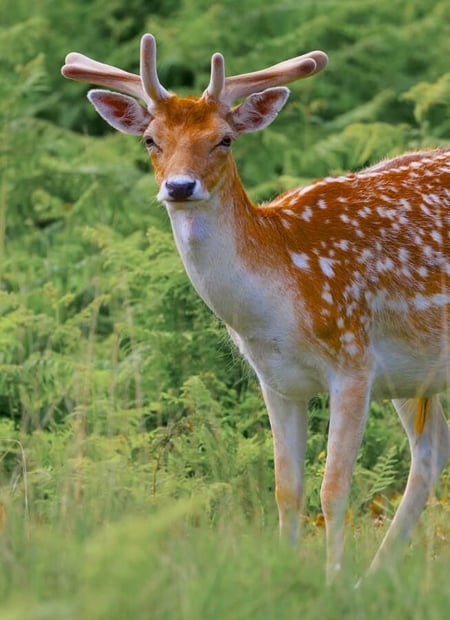
Sika Deer are a medium-sized deer species native to East Asia, but they have been introduced to many other parts of the world, including the UK. They are highly adaptable and often keep their spotted coat into adulthood, unlike many other deer. Sika are known for being very vocal, producing a wide range of sounds including a high-pitched whistle used by stags during the rutting season.
Sika Deer Quick Facts
Frequently Asked Questions About the Sika Deer
The Sika Deer can be found in East Asia, introduced elsewhere and is most often associated with Woodlands, grasslands, marshes.
The Sika Deer feeds on Grasses, leaves, shoots, bark and is considered a herbivore.
The Sika Deer is currently listed as Least Concern, with a stable population trend. Main threats include Hybridisation with Red Deer, Overhunting.
The Sika Deer is usually single-sex herds outside of rut.
The Sika Deer is typically crepuscular/nocturnal.
The Sika Deer is sedentary.
The main threats facing the Sika Deer include Hybridisation with Red Deer and Overhunting.
The Sika Deer population trend is currently stable.
Well-known places to look for the Sika Deer include Nara Park (Japan) and Dorset (UK - introduced).
Natural predators of the Sika Deer include Wolves, Leopards, and Humans.
Regarded as sacred messengers of the gods in Shinto tradition.
The Sika Deer is part of the Cervidae family and an Artiodactyla order.
The Sika Deer weighs about 55 kg, stands around 85 cm tall, and reaches about 130 cm in length.
The Sika Deer can reach speeds of around 48 km/h.