Zebra Dove
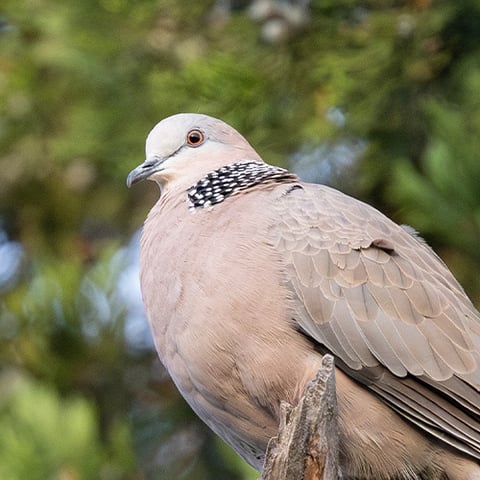
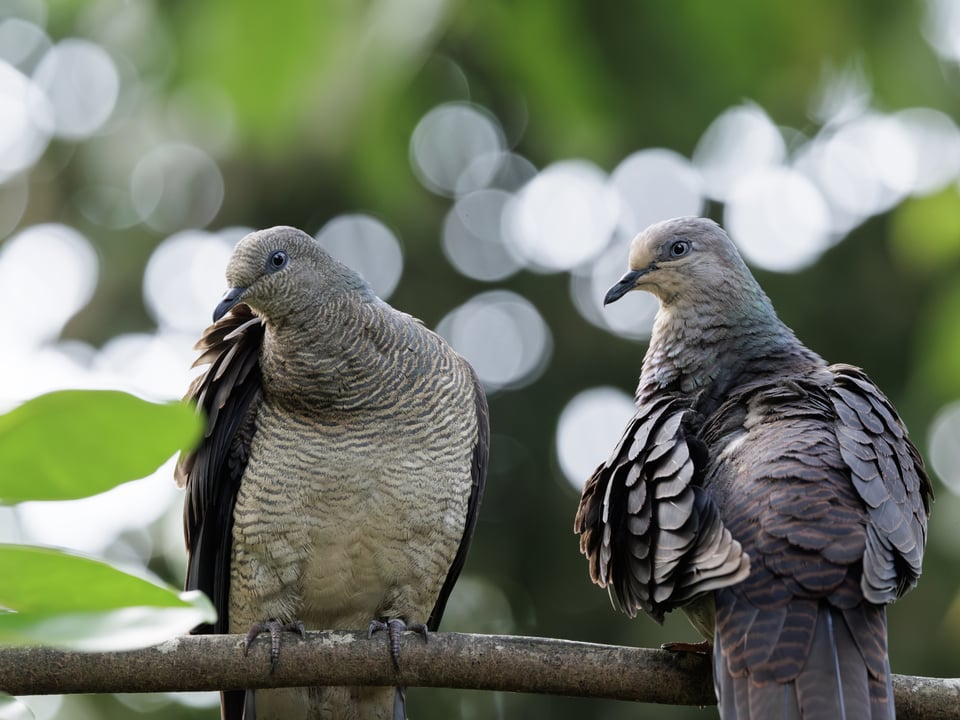
A small dove with delicate barred plumage, often seen on the ground in urban and rural areas.
- Lifespan
- 3-10 years
- Habitat
- Urban areas, gardens, open woodland
- Diet
- Seeds, small invertebrates
- Region
- Southeast Asia, introduced elsewhere
01 — Gallery
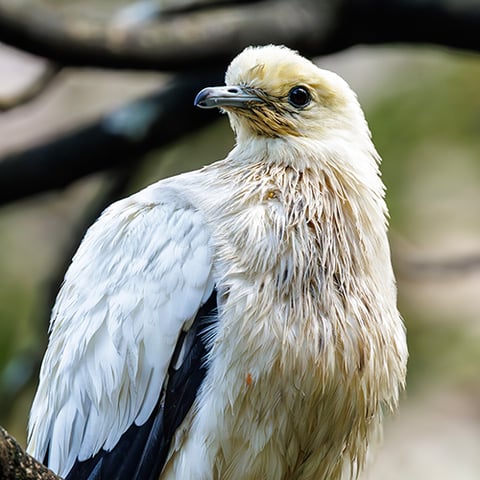
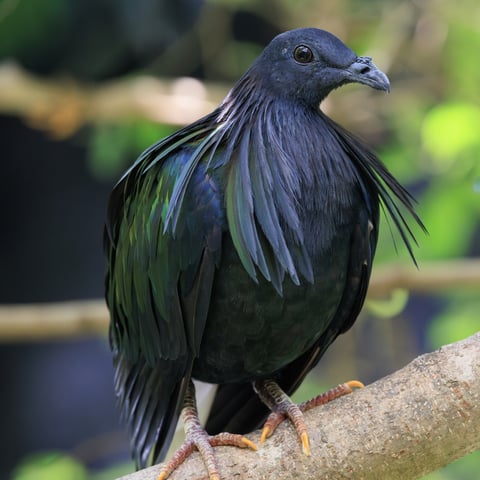
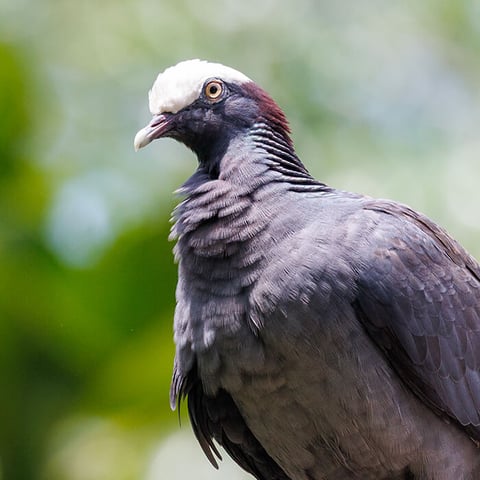
Zebra Dove photographs
Select a photograph to view it full size.
02 — Field guide
Getting to know the Zebra Dove
The Zebra Dove is a small, peaceful bird native to Southeast Asia, named for the intricate black-and-white barring on its neck and breast. It is a popular cage bird in countries like Thailand and Indonesia due to its soft, rhythmic cooing calls, and 'cooing contests' are regularly held to find the bird with the best voice.
Questions & answers
The Zebra Dove can be found in Southeast Asia, introduced elsewhere and is most often associated with Urban areas, gardens, open woodland.
The Zebra Dove feeds on Seeds, small invertebrates and is considered a granivore.
The Zebra Dove is currently listed as Least Concern, with a stable population trend. Main threats include Trapping for pet trade.
The Zebra Dove is usually pairs/small flocks.
The Zebra Dove is typically diurnal.
The Zebra Dove is resident.
The main threats facing the Zebra Dove include Trapping for pet trade.
The Zebra Dove population trend is currently stable.
Well-known places to look for the Zebra Dove include Bangkok (Thailand) and Singapore Parks.
Natural predators of the Zebra Dove include Cats, Birds of prey, and Rats.
Central to singing bird competitions in Southeast Asia.
The Zebra Dove is part of the Columbidae family and a Columbiformes order.
The Zebra Dove weighs about 0.05 kg, stands around 22 cm tall, reaches about 23 cm in length, and has a wingspan of about 35 cm.
The Zebra Dove can reach speeds of around 35 km/h.