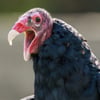
Turkey Vulture
Cathartes aura
Also known as: Turkey Buzzard
The Turkey Vulture is the most widespread vulture in the Americas, named for its red, bald head which resembles that of a turkey. In flight, they are easily identified by their unsteady, teetering motion and wings held in a V-shape. Unlike most birds, they possess an extraordinary sense of smell, allowing them to detect carrion from great distances hidden beneath forest canopies.
Turkey Vulture Quick Facts
Frequently Asked Questions About the Turkey Vulture
Turkey Vultures have an unusually strong sense of smell for a bird and can detect the gases released as an animal begins to decay. They often fly low with their wings held in a shallow V so they can pick up scent trails and locate carcasses that other raptors might miss.
The Turkey Vulture can be found in Americas and is most often associated with Open and semi-open areas, roadsides, fields.
The Turkey Vulture feeds on Carrion and is considered a scavenger.
The Turkey Vulture is currently listed as Least Concern, with a increasing population trend. Main threats include Lead poisoning, Vehicle collisions.
The Turkey Vulture is usually gregarious at roosts.
The Turkey Vulture is typically diurnal.
The Turkey Vulture is migratory.
The main threats facing the Turkey Vulture include Lead poisoning and Vehicle collisions.
The Turkey Vulture population trend is currently increasing.
Well-known places to look for the Turkey Vulture include Hawk Mountain (USA) and Veracruz (Mexico).
Natural predators of the Turkey Vulture include Golden eagles and Great horned owls (on nests).
Symbol of renewal and nature's clean-up crew in many cultures.
The Turkey Vulture is part of the Cathartidae family and a Cathartiformes order.
The Turkey Vulture weighs about 1.5 kg, stands around 70 cm tall, reaches about 80 cm in length, and has a wingspan of about 175 cm.
The Turkey Vulture can reach speeds of around 60 km/h.