Rufous-legged Owl
Strix rufipes
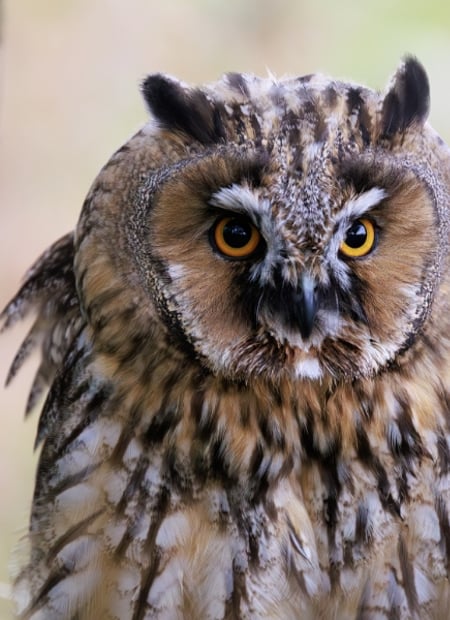
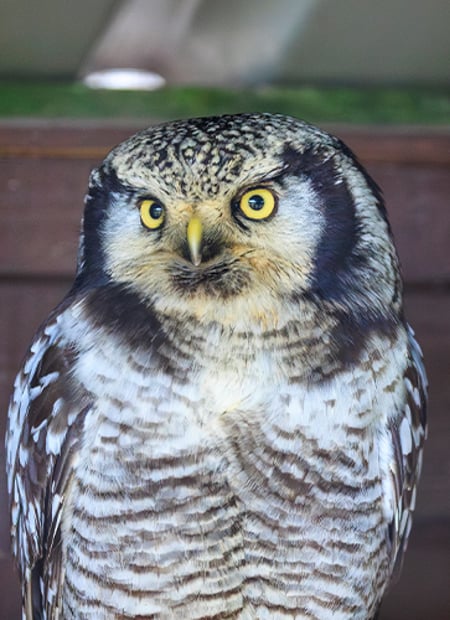
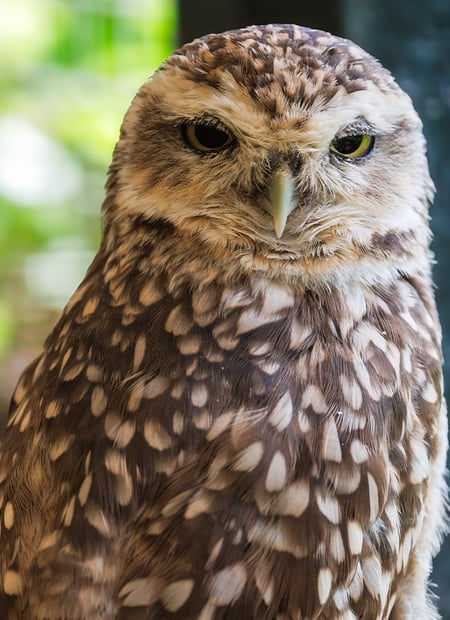
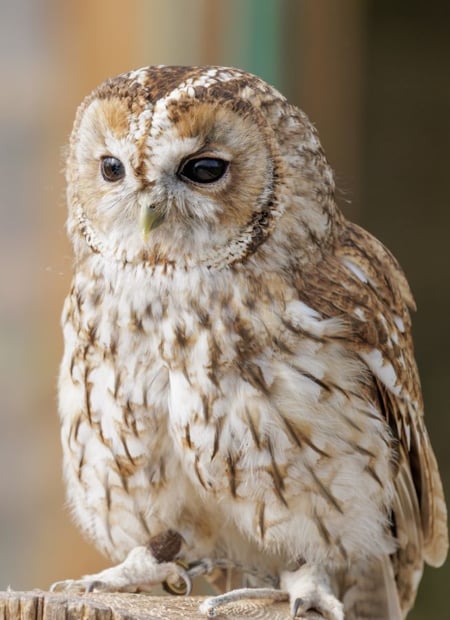
The Rufous-legged Owl is a nocturnal owl native to the temperate forests of southern South America, particularly the Nothofagus (southern beech) woodlands of Chile and Argentina. Closely related to the Tawny Owl, it is named for the warm reddish-brown feathering on its legs and takes shelter by day in dense tree cover before emerging at dusk to hunt.
Rufous-legged Owl Quick Facts
Frequently Asked Questions About the Rufous-legged Owl
The Rufous-legged Owl can be found in Southern Chile and Argentina (Patagonia and the southern Andes) and is most often associated with temperate Nothofagus forest and woodland.
The Rufous-legged Owl feeds on small mammals, birds, and large insects and is considered a carnivore.
The Rufous-legged Owl is currently listed as Least Concern, with a stable population trend. Main threats include deforestation and habitat fragmentation.
It takes its name from the warm, rufous (reddish-brown) feathering that covers its legs and feet, a distinguishing feature among the temperate forest owls of South America.
The Rufous-legged Owl is usually solitary/pairs.
The Rufous-legged Owl is typically nocturnal.
The Rufous-legged Owl is resident.
The main threats facing the Rufous-legged Owl include Deforestation and habitat fragmentation.
The Rufous-legged Owl population trend is currently stable.
Well-known places to look for the Rufous-legged Owl include Patagonian Nothofagus forests (Chile) and Nahuel Huapi National Park (Argentina).
Natural predators of the Rufous-legged Owl include Larger raptors and Foxes (of fledglings).
One of the characteristic nocturnal voices of the southern Patagonian forest, closely associated with the region's temperate woodland ecosystems.
The Rufous-legged Owl is part of the Strigidae family and a Strigiformes order.
The Rufous-legged Owl weighs about 0.45 kg, stands around 36 cm tall, reaches about 38 cm in length, and has a wingspan of about 90 cm.