Rose-ringed Parakeet
Psittacula krameri
Also known as: Ring-necked Parakeet
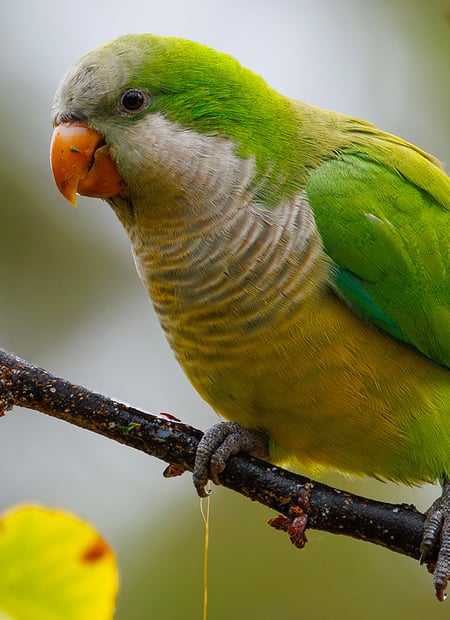
The Rose-ringed Parakeet (Psittacula krameri) is a widespread green parrot native to parts of Africa and South Asia, often seen in flocks in parks and woodlands. Males typically show a rose-coloured neck ring.
Rose-ringed Parakeet Quick Facts
Frequently Asked Questions About the Rose-ringed Parakeet
The Rose-ringed Parakeet can be found in Africa, South Asia; introduced elsewhere and is most often associated with Parks, woodlands, urban areas.
The Rose-ringed Parakeet feeds on Seeds, fruit, nectar and is considered a herbivore.
The Rose-ringed Parakeet is currently listed as Least Concern, with a increasing population trend. Main threats include Competition with native species, Pest control.
The Rose-ringed Parakeet is usually highly gregarious.
The Rose-ringed Parakeet is typically diurnal.
The Rose-ringed Parakeet is resident.
The main threats facing the Rose-ringed Parakeet include Competition with native species and Pest control.
The Rose-ringed Parakeet population trend is currently increasing.
Well-known places to look for the Rose-ringed Parakeet include Richmond Park (London) and Mumbai Parks.
Natural predators of the Rose-ringed Parakeet include Peregrine falcons, Sparrowhawks, and Owls.
A highly successful urban colonist and popular pet bird.
The Rose-ringed Parakeet is part of the Psittaculidae family and a Psittaciformes order.
The Rose-ringed Parakeet weighs about 0.12 kg, stands around 40 cm tall, reaches about 42 cm in length, and has a wingspan of about 50 cm.
The Rose-ringed Parakeet can reach speeds of around 45 km/h.