Philippine Eagle
Pithecophaga jefferyi
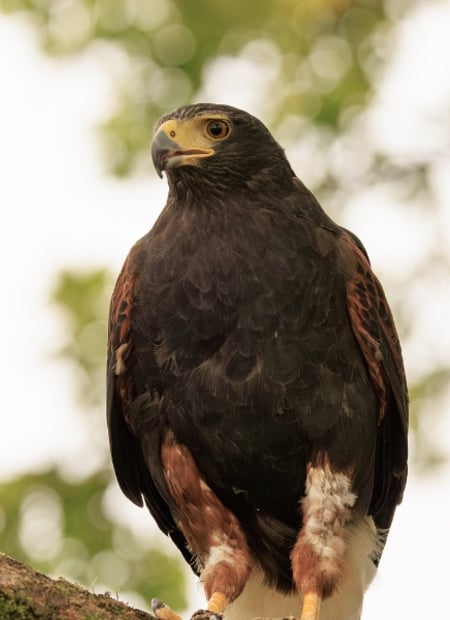
The Philippine Eagle, also known as the monkey-eating eagle, is a giant forest-dwelling raptor endemic to the Philippines. It is considered one of the largest and most powerful birds of prey in the world, recognizable by its long, shaggy crown feathers that form a crest. Endangered due to massive deforestation, these majestic eagles are apex predators that feed on flying lemurs, civets, monkeys, and large birds.
Philippine Eagle Quick Facts
Frequently Asked Questions About the Philippine Eagle
The Philippine Eagle is endemic to the Philippines, primarily found in primary dipterocarp rainforests on the islands of Luzon, Samar, Leyte, and Mindanao.
The Philippine Eagle is an apex carnivore that feeds on medium-sized mammals such as flying lemurs, civets, and monkeys, as well as snakes and large birds.
The Philippine Eagle is listed as Endangered, with a decreasing population trend. Its primary threat is habitat loss due to deforestation, alongside illegal hunting.
Yes, Philippine Eagles form monogamous pairs that mate for life. They raise a single chick every two years, investing heavily in parental care.
The Philippine Eagle is usually monogamous pairs.
The Philippine Eagle is typically diurnal.
The Philippine Eagle is resident.
The main threats facing the Philippine Eagle include Deforestation, Hunting, and Habitat fragmentation.
The Philippine Eagle population trend is currently decreasing.
Well-known places to look for the Philippine Eagle include Mount Apo (Mindanao) and Sierra Madre (Luzon).
Natural predators of the Philippine Eagle include None.
The Philippine Eagle is part of the Accipitridae family and an Accipitriformes order.
The Philippine Eagle weighs about 6 kg, reaches about 95 cm in length, and has a wingspan of about 200 cm.