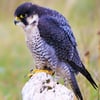
Peregrine Falcon
Falco peregrinus
Also known as: Duck Hawk
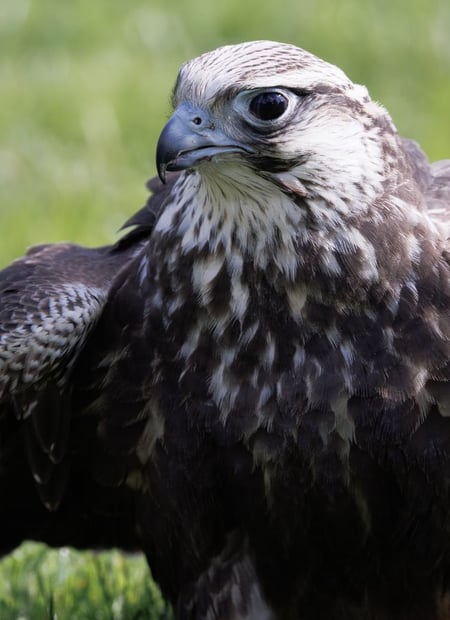
The Peregrine Falcon is a formidable raptor found on every continent except Antarctica, famous for being the fastest member of the animal kingdom. During its hunting dive, known as a 'stoop', it can reach speeds of over 320 km/h (200 mph) to strike birds in mid-air. They have successfully adapted to urban living, often nesting on tall buildings which simulate their natural cliff habitats.
Peregrine Falcon Quick Facts
Frequently Asked Questions About the Peregrine Falcon
Peregrine Falcons crashed in many places during the DDT era because pesticides weakened their eggshells and caused breeding failures. Captive breeding, nest protection, and the banning of DDT allowed populations to rebound so successfully that peregrines are now common again in many cities and coastal areas.
The Peregrine Falcon can be found in Worldwide and is most often associated with Cliffs, urban areas.
The Peregrine Falcon feeds on Birds, small mammals and is considered a carnivore.
The Peregrine Falcon is currently listed as Least Concern, with a stable population trend. Main threats include Chemical pollution, Habitat degradation.
The Peregrine Falcon is usually solitary/pairs.
The Peregrine Falcon is typically diurnal.
The Peregrine Falcon is migratory/resident.
The main threats facing the Peregrine Falcon include Chemical pollution and Habitat degradation.
The Peregrine Falcon population trend is currently stable.
Well-known places to look for the Peregrine Falcon include Derby Cathedral (UK) and Hudson River Cliffs (USA).
Natural predators of the Peregrine Falcon include Eagle-owls and Golden eagles.
The ultimate symbol of speed and precision in falconry.
The Peregrine Falcon is part of the Falconidae family and a Falconiformes order.
The Peregrine Falcon weighs about 1 kg, stands around 45 cm tall, reaches about 48 cm in length, and has a wingspan of about 110 cm.
The Peregrine Falcon can reach speeds of around 320 km/h.