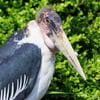
Marabou Stork
Leptoptilos crumenifer
Also known as: Undertaker Bird
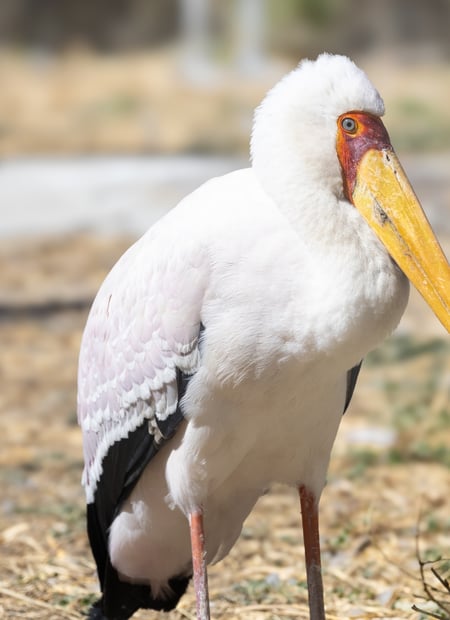
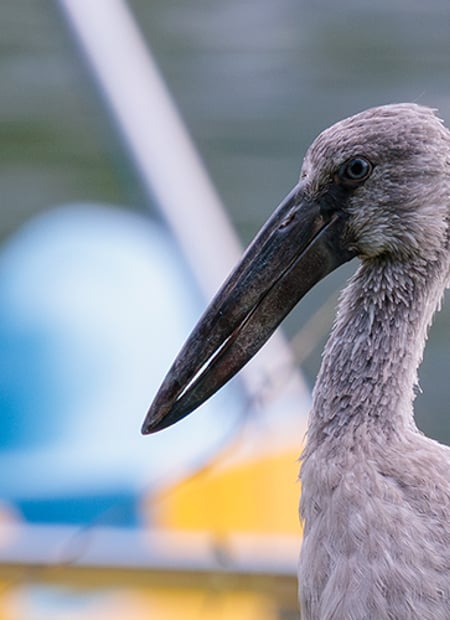
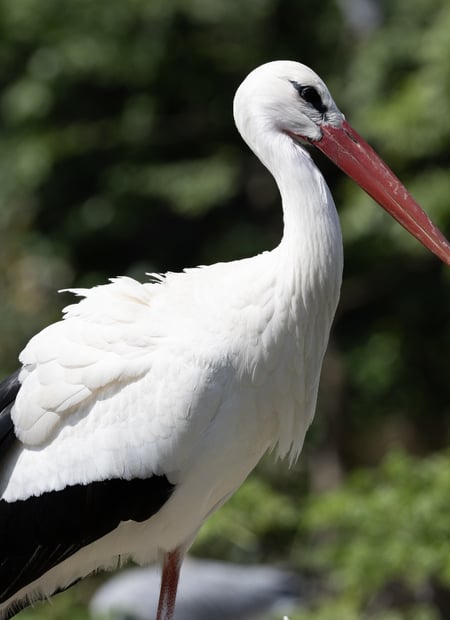
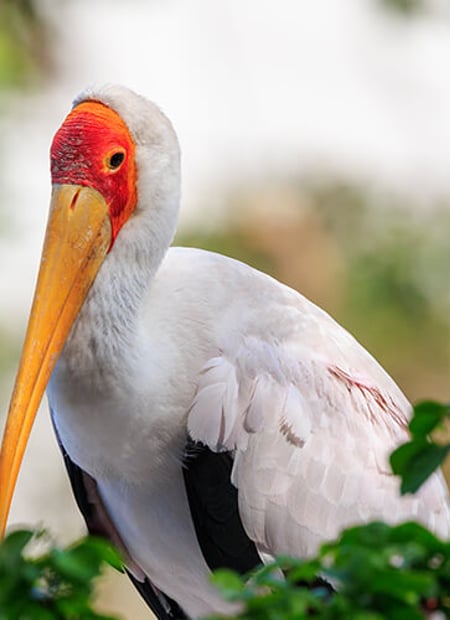
The Marabou Stork is a massive bird from sub-Saharan Africa, often called the 'undertaker bird' due to its cloak-like wings and sombre appearance. It is a scavenger that frequents rubbish dumps and carcass sites, using its huge throat pouch to display dominance. Despite its ungainly looks on the ground, it is a graceful flyer with hollow leg bones to reduce weight.
Marabou Stork Quick Facts
Frequently Asked Questions About the Marabou Stork
The Marabou Stork is resident/Partially migratory and is associated with Wetlands, savannas, garbage dumps in Sub-Saharan Africa.
The Marabou Stork can be found in Sub-Saharan Africa and is most often associated with Wetlands, savannas, garbage dumps.
The Marabou Stork feeds on Carrion, fish, insects, small animals and is considered a scavenger.
The Marabou Stork is currently listed as Least Concern, with a increasing population trend. Main threats include Pollution, Human persecution.
The Marabou Stork is usually gregarious.
The Marabou Stork is typically diurnal.
The main threats facing the Marabou Stork include Pollution and Human persecution.
The Marabou Stork population trend is currently increasing.
Well-known places to look for the Marabou Stork include Kampala (Uganda) and Kruger National Park.
Natural predators of the Marabou Stork include Hyenas and Large crocodilians.
Often seen as an ominous figure due to its appearance and habits.
The Marabou Stork is part of the Ciconiidae family and a Ciconiiformes order.
The Marabou Stork weighs about 7 kg, stands around 150 cm tall, reaches about 152 cm in length, and has a wingspan of about 270 cm.
The Marabou Stork can reach speeds of around 40 km/h.