Little Egret
Egretta garzetta
Also known as: Little White Heron
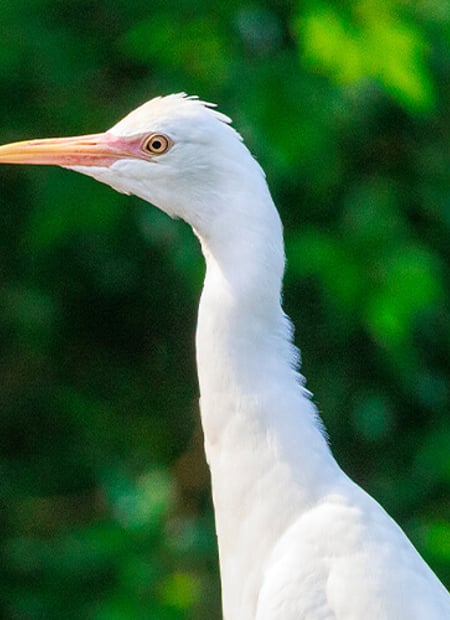
The Little Egret is a small white heron with attractive white plumes on its crest, back, and chest, black legs and bill, and distinctive yellow feet. They are commonly found in wetlands, margins of lakes, and coastal areas, where they actively hunt fish, amphibians, and insects in shallow water.
Little Egret Quick Facts
Frequently Asked Questions About the Little Egret
The Little Egret is partially migratory and is associated with Wetlands, marshes, coasts in Europe, Africa, Asia, Australasia.
The Little Egret can be found in Europe, Africa, Asia, Australasia and is most often associated with Wetlands, marshes, coasts.
The Little Egret feeds on Small fish, amphibians, insects and is considered a carnivore.
The Little Egret is currently listed as Least Concern, with a increasing population trend. Main threats include Wetland degradation, Water pollution.
The Little Egret is usually gregarious.
The Little Egret is typically diurnal.
The main threats facing the Little Egret include Wetland degradation and Water pollution.
The Little Egret population trend is currently increasing.
Well-known places to look for the Little Egret include Camargue (France) and Doñana National Park (Spain).
Natural predators of the Little Egret include Birds of prey and Foxes.
Its conservation sparked the creation of many early bird protection societies.
The Little Egret is part of the Ardeidae family and a Pelecaniformes order.
The Little Egret weighs about 0.45 kg, stands around 60 cm tall, reaches about 60 cm in length, and has a wingspan of about 95 cm.
The Little Egret can reach speeds of around 40 km/h.