Greater Flamingo
Phoenicopterus roseus
Also known as: Common Flamingo
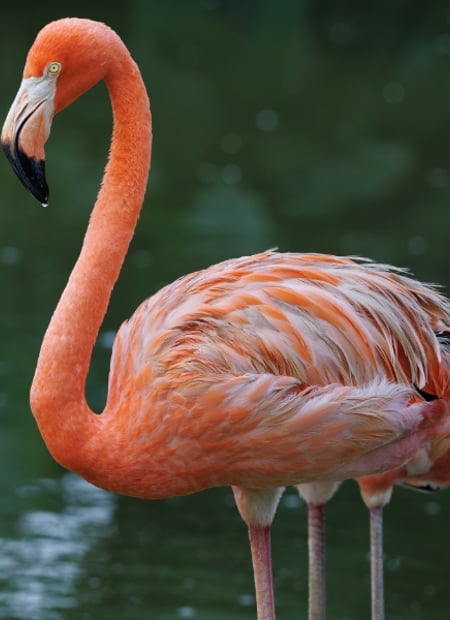
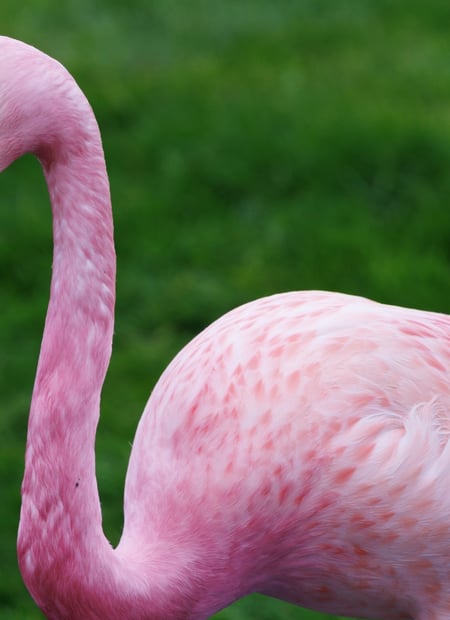
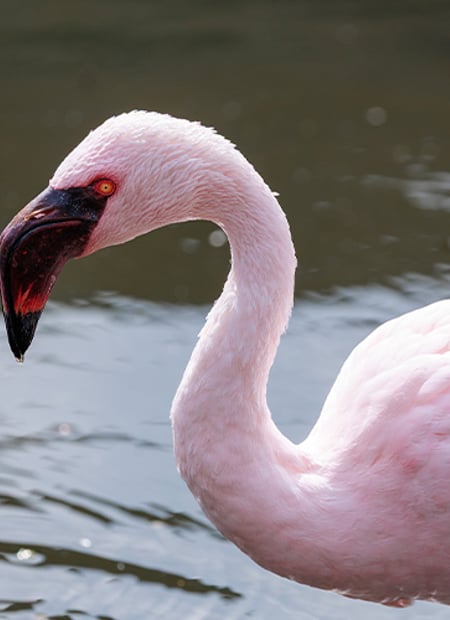
The Greater Flamingo is the most widespread flamingo species, known for its pale pink plumage and long, S-shaped neck. They inhabit shallow coastal and inland waters and filter-feed on small invertebrates and algae using their specialised beaks.
Greater Flamingo Quick Facts
Frequently Asked Questions About the Greater Flamingo
The Greater Flamingo is partially migratory and is associated with Shallow lagoons, estuaries, salt pans in Africa, southern Europe, South and Southwest Asia.
The Greater Flamingo can be found in Africa, southern Europe, South and Southwest Asia and is most often associated with Shallow lagoons, estuaries, salt pans.
The Greater Flamingo feeds on Algae, crustaceans, small invertebrates and is considered a omnivore (filter feeder).
The Greater Flamingo is currently listed as Least Concern, with a increasing population trend. Main threats include Habitat degradation, Pollution, Industrial development.
The Greater Flamingo is usually highly colonial.
The Greater Flamingo is typically diurnal.
The main threats facing the Greater Flamingo include Habitat degradation, Pollution, and Industrial development.
The Greater Flamingo population trend is currently increasing.
Well-known places to look for the Greater Flamingo include Camargue (France) and Lake Nakuru (Kenya).
Natural predators of the Greater Flamingo include Hyenas, Jackals, and Large birds of prey.
Widely used in art and as a representative of wetland conservation.
The Greater Flamingo is part of the Phoenicopteridae family and a Phoenicopteriformes order.
The Greater Flamingo weighs about 3 kg, stands around 130 cm tall, reaches about 130 cm in length, and has a wingspan of about 155 cm.
The Greater Flamingo can reach speeds of around 58 km/h.