Great White Pelican
Pelecanus onocrotalus
Also known as: Eastern White Pelican, Rosy Pelican
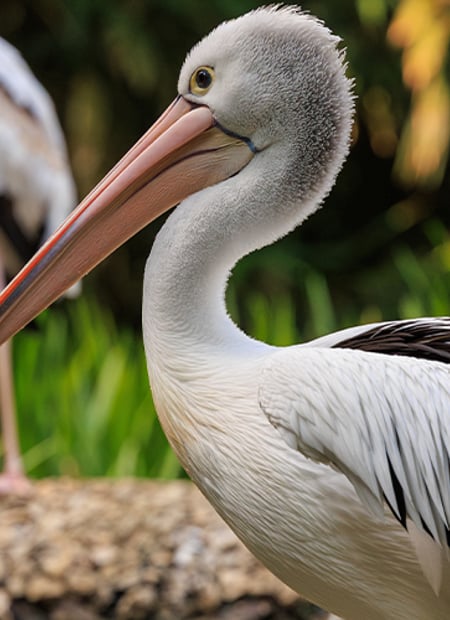
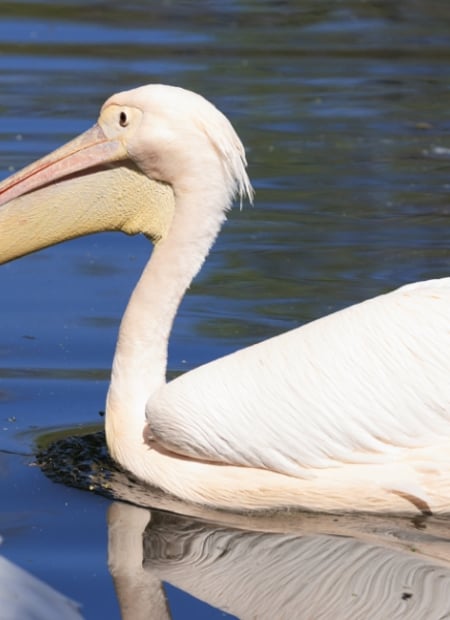
The Great White Pelican is one of the largest flying birds in the world, easily recognised by its massive bill and large throat pouch. It is found in shallow lakes, marshes, and wetlands across southeastern Europe, Africa, and Asia. These pelicans are highly social, often seen fishing cooperatively in groups to herd fish into shallow water. Their wingspan can reach up to 3.6 metres (12 feet), making them impressive in flight.
Great White Pelican Quick Facts
Frequently Asked Questions About the Great White Pelican
The Great White Pelican is migratory and is associated with Shallow lakes, marshes, wetlands in Southeastern Europe, Africa, Asia.
The Great White Pelican can be found in Southeastern Europe, Africa, Asia and is most often associated with Shallow lakes, marshes, wetlands.
The Great White Pelican feeds on Mainly fish, occasionally amphibians and is considered a piscivore.
The Great White Pelican is currently listed as Least Concern, with a increasing population trend. Main threats include Pollution, Drainage of wetlands, Human disturbance.
The Great White Pelican is usually highly social.
The Great White Pelican is typically diurnal.
The main threats facing the Great White Pelican include Pollution, Drainage of wetlands, and Human disturbance.
The Great White Pelican population trend is currently increasing.
Well-known places to look for the Great White Pelican include Danube Delta (Romania) and Lake Manyara (Tanzania).
Natural predators of the Great White Pelican include Jackals, Hyenas, and Large eagles (on chicks).
Often featured in heraldry and folklore as a symbol of sacrifice.
The Great White Pelican is part of the Pelecanidae family and a Pelecaniformes order.
The Great White Pelican weighs about 10 kg, stands around 160 cm tall, reaches about 160 cm in length, and has a wingspan of about 330 cm.
The Great White Pelican can reach speeds of around 56 km/h.