Great Tit
Parus major
Also known as: Common Great Tit
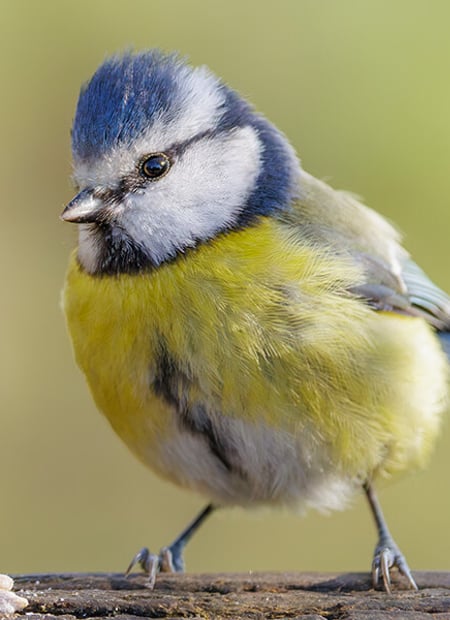
The Great Tit (*Parus major*) is a large, distinctive songbird with a black cap, white cheeks, and a striking yellow breast featuring a vertical black stripe. Found throughout Europe, Asia, and North Africa, it is a highly adaptable species common in woodlands, parks, and gardens. Known for its intelligence and varied vocalizations, the Great Tit is an active social bird that frequently visits garden feeders, especially during the winter months.
Great Tit Quick Facts
Frequently Asked Questions About the Great Tit
The Great Tit can be found in Europe, Asia, North Africa and is most often associated with Woodlands, gardens, parks, orchards.
The Great Tit feeds on Insects, seeds, nuts, berries and is considered a omnivore.
The Great Tit is currently listed as Least Concern, with a stable population trend. Main threats include Habitat loss, Predation.
The Great Tit is usually pairs or small winter flocks.
The Great Tit is typically diurnal.
The Great Tit is resident.
The main threats facing the Great Tit include Habitat loss and Predation.
The Great Tit population trend is currently stable.
Well-known places to look for the Great Tit include European woodlands and British gardens.
Natural predators of the Great Tit include Cats, Hawks, and Squirrels (on eggs/nestlings).
One of the most familiar and beloved garden birds, frequently studied in ecological research.
The Great Tit is part of the Paridae family and a Passeriformes order.
The Great Tit weighs about 0.018 kg, stands around 14 cm tall, reaches about 14 cm in length, and has a wingspan of about 24 cm.
The Great Tit can reach speeds of around 30 km/h.