Eurasian Blue Tit
Cyanistes caeruleus
Also known as: Blue Tit
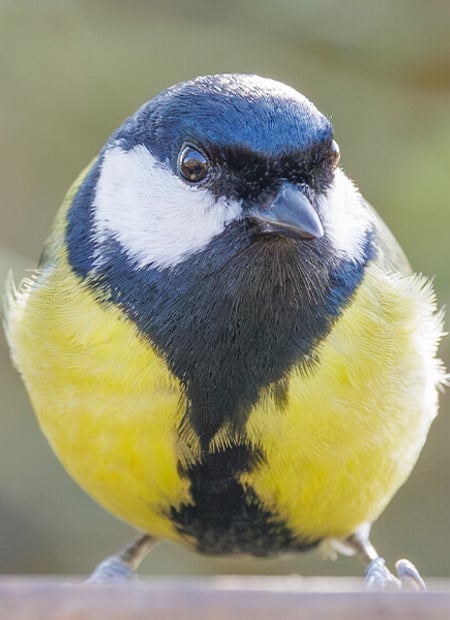
The Eurasian Blue Tit (Cyanistes caeruleus) is a small, agile passerine common in woodlands, hedgerows and gardens across Europe and western Asia. It is instantly recognisable by its blue cap, yellow underparts and acrobatic feeding behaviour.
Eurasian Blue Tit Quick Facts
Frequently Asked Questions About the Eurasian Blue Tit
The Eurasian Blue Tit can be found in Europe and western Asia and is most often associated with Woodlands, hedgerows, gardens.
The Eurasian Blue Tit feeds on Insects, caterpillars, seeds, nuts and is considered a insectivore.
The Eurasian Blue Tit is currently listed as Least Concern, with a stable population trend. Main threats include Severe winters, Lack of nesting sites.
The Eurasian Blue Tit is usually solitary/pairs.
The Eurasian Blue Tit is typically diurnal.
The Eurasian Blue Tit is resident.
The main threats facing the Eurasian Blue Tit include Severe winters and Lack of nesting sites.
The Eurasian Blue Tit population trend is currently stable.
Well-known places to look for the Eurasian Blue Tit include UK Gardens and European Deciduous Forests.
Natural predators of the Eurasian Blue Tit include Sparrowhawks, Cats, and Great spotted woodpeckers.
A beloved frequent visitor to British bird feeders.
The Eurasian Blue Tit is part of the Paridae family and a Passeriformes order.
The Eurasian Blue Tit weighs about 0.011 kg, stands around 12 cm tall, reaches about 12 cm in length, and has a wingspan of about 20 cm.
The Eurasian Blue Tit can reach speeds of around 30 km/h.