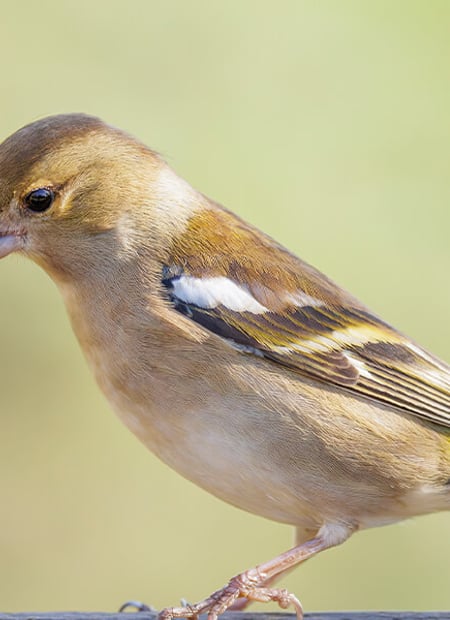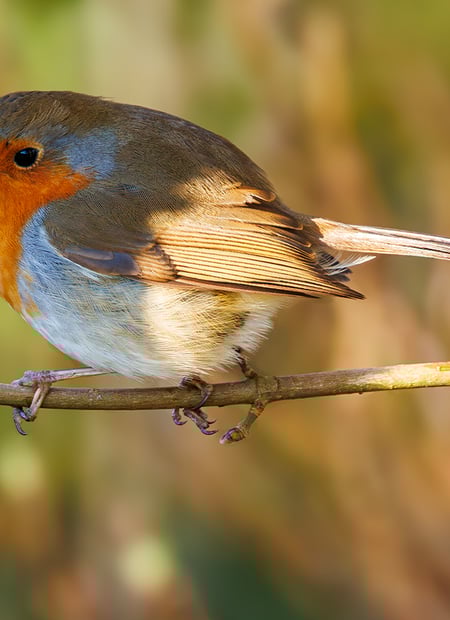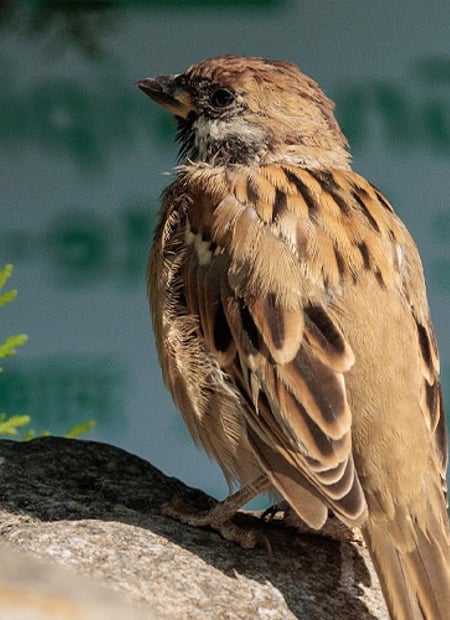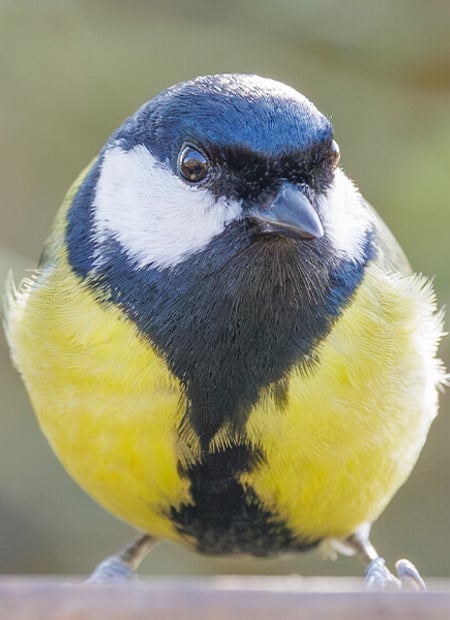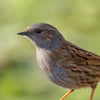
Dunnock
Prunella modularis
Also known as: Hedge Sparrow, Hedge Accentor
The Dunnock (*Prunella modularis*), also known as the hedge sparrow, is a small, quiet songbird widespread throughout Europe and Asian Russia. It is frequently found in gardens, hedges, and woodlands, often seen hopping along the ground with a characteristic shuffling gait. Despite its modest brownish and grey appearance, the Dunnock is famous for its complex and varied mating systems, which can include monogamy, polygamy, and polyandry.
Dunnock Quick Facts
Frequently Asked Questions About the Dunnock
The Dunnock is resident or partial migrant and is associated with Gardens, hedges, woodlands, parks in Europe, Asian Russia, North Africa.
The Dunnock can be found in Europe, Asian Russia, North Africa and is most often associated with Gardens, hedges, woodlands, parks.
The Dunnock feeds on Insects, spiders, seeds (in winter) and is considered a omnivore (insects and seeds).
The Dunnock is currently listed as Least Concern, with a decreasing in some regions population trend. Main threats include Habitat loss (hedge removal), Predation.
The Dunnock is usually solitary outside breeding.
The Dunnock is typically diurnal.
The main threats facing the Dunnock include Habitat loss (hedge removal) and Predation.
The Dunnock population trend is currently decreasing in some regions.
Well-known places to look for the Dunnock include European gardens and British hedgerows.
Natural predators of the Dunnock include Cats, Sparrowhawks, and Small mammals (on eggs).
A frequently overlooked but musically talented garden resident.
The Dunnock is part of the Prunellidae family and a Passeriformes order.
The Dunnock weighs about 0.02 kg, stands around 14.5 cm tall, reaches about 14.5 cm in length, and has a wingspan of about 20 cm.
The Dunnock can reach speeds of around 40 km/h.