Dalmatian Pelican
Pelecanus crispus
Also known as: Curly-haired Pelican
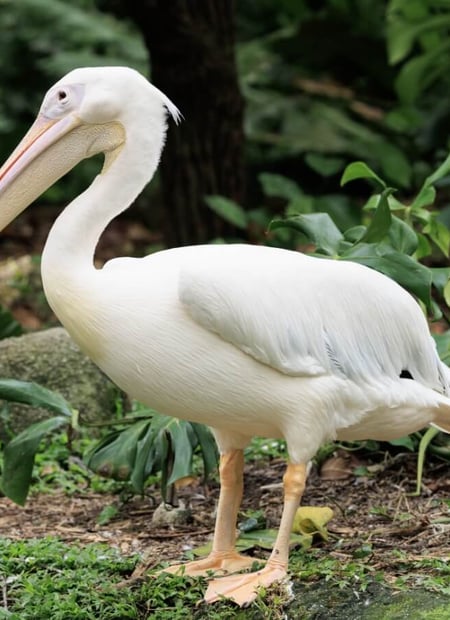
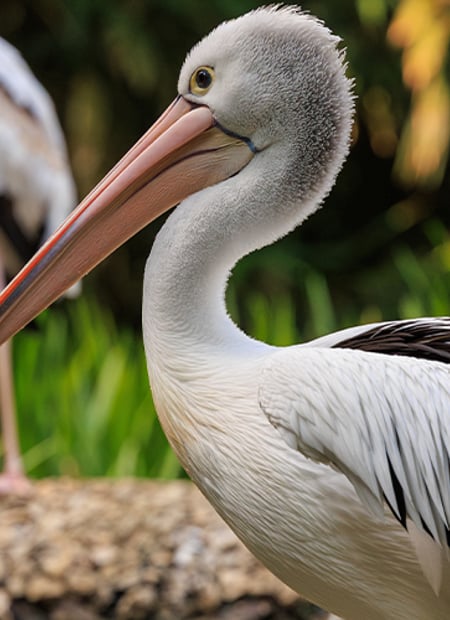
The Dalmatian Pelican is the largest pelican species in the world, found in lakes and rivers across Southeastern Europe and Asia. In the breeding season, they develop distinctive curly feathers on the nape of their neck and their pouches turn a deep red-orange. They are vulnerable to habitat loss and collision with power lines.
Dalmatian Pelican Quick Facts
Frequently Asked Questions About the Dalmatian Pelican
The Dalmatian Pelican is partially migratory and is associated with Lakes, rivers, deltas in Southeastern Europe, Central Asia.
The Dalmatian Pelican can be found in Southeastern Europe, Central Asia and is most often associated with Lakes, rivers, deltas.
The Dalmatian Pelican feeds on Mainly fish and is considered a piscivore.
The Dalmatian Pelican is currently listed as Near Threatened, with a increasing population trend. Main threats include Habitat loss, Disturbance, Pollution.
The Dalmatian Pelican is usually colonial.
The Dalmatian Pelican is typically diurnal.
The main threats facing the Dalmatian Pelican include Habitat loss, Disturbance, and Pollution.
The Dalmatian Pelican population trend is currently increasing.
Well-known places to look for the Dalmatian Pelican include Lake Kerkini (Greece) and Danube Delta (Romania).
Natural predators of the Dalmatian Pelican include None (adults) and Large gulls (on eggs).
Symbol of wetland health in Southeast Europe.
The Dalmatian Pelican is part of the Pelecanidae family and a Pelecaniformes order.
The Dalmatian Pelican weighs about 11.5 kg, stands around 175 cm tall, reaches about 180 cm in length, and has a wingspan of about 320 cm.
The Dalmatian Pelican can reach speeds of around 55 km/h.