Crowned Pigeon
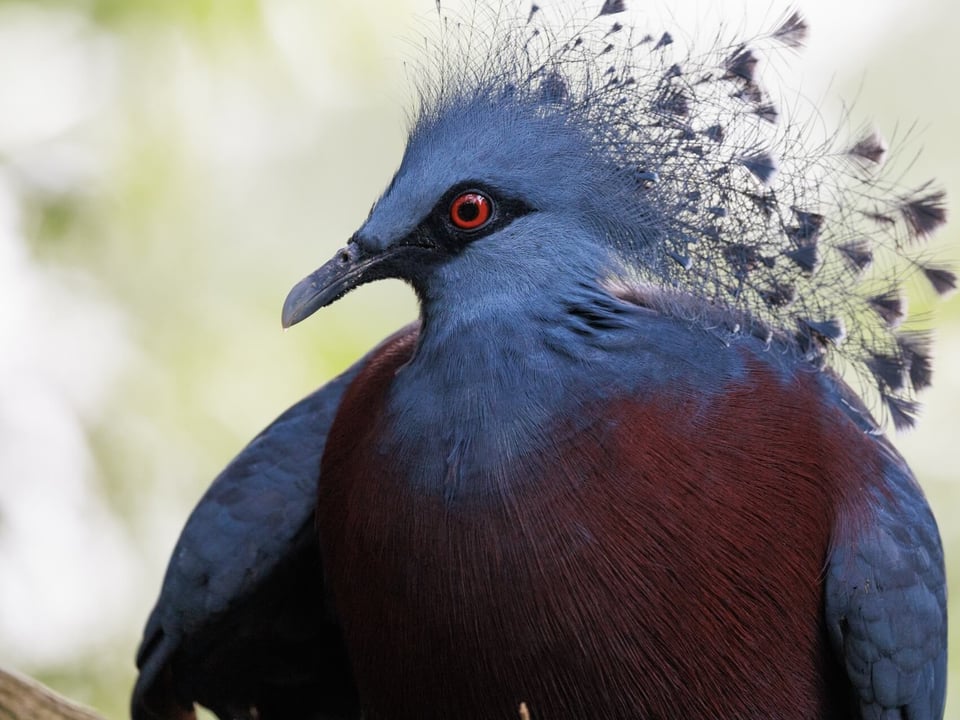
The largest pigeons in the world, with striking blue plumage and elegant crests.
- Lifespan
- 20–25 years
- Habitat
- Lowland forests
- Diet
- Fruits, seeds, small invertebrates
- Region
- New Guinea
01 — Gallery
Crowned Pigeon photographs
Select a photograph to view it full size.
02 — Field guide
Getting to know the Crowned Pigeon
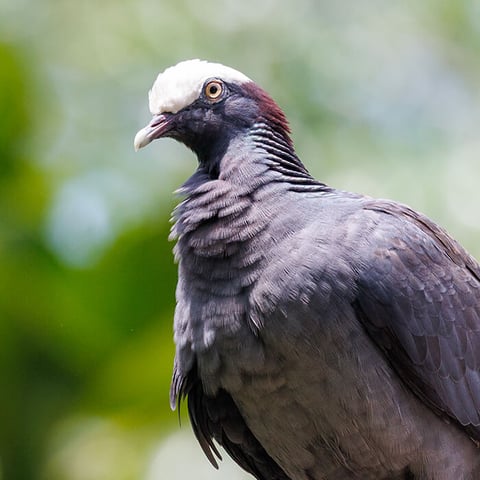
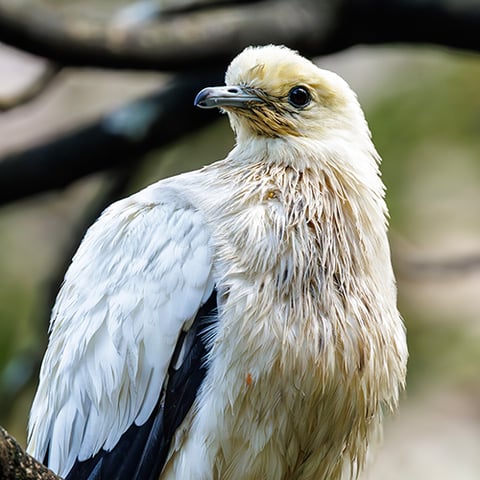
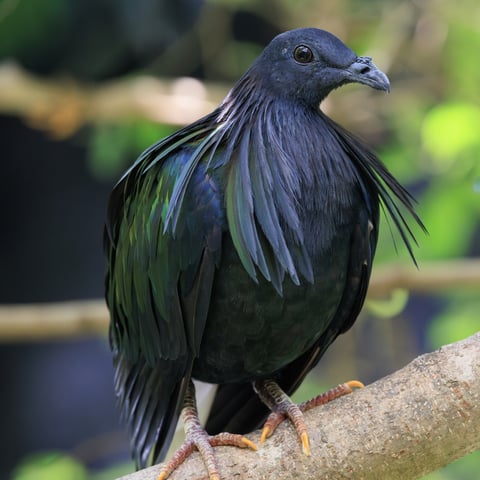
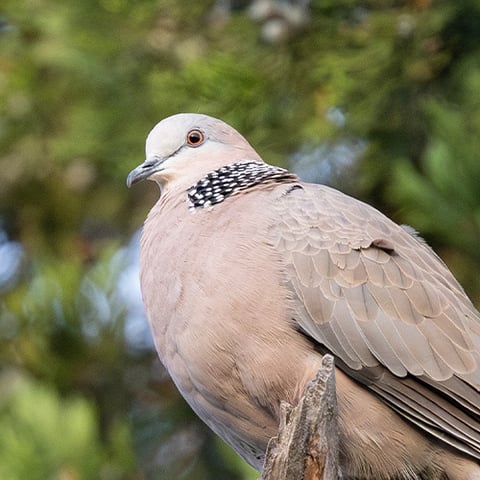
Crowned Pigeons are the largest pigeons in the world, easily distinguishable by their spectacular crest of blue lace-like feathers. Native to the lowland rainforests of New Guinea, these ground-dwelling birds are gentle giants that forage the forest floor for fallen fruit and seeds. Due to their large size and stunning plumage, they are unfortunately vulnerable to hunting and habitat loss.
Questions & answers
The Crowned Pigeon can be found in New Guinea and is most often associated with Lowland forests.
The Crowned Pigeon feeds on Fruits, seeds, small invertebrates and is considered a frugivore.
The Crowned Pigeon is currently listed as Near Threatened, with a decreasing population trend. Main threats include Hunting for feathers/meat, Logging.
The Crowned Pigeon is usually pairs or small groups.
The Crowned Pigeon is typically diurnal.
The Crowned Pigeon is resident.
The main threats facing the Crowned Pigeon include Hunting for feathers/meat and Logging.
The Crowned Pigeon population trend is currently decreasing.
Well-known places to look for the Crowned Pigeon include Lowland forests of Northern New Guinea.
Natural predators of the Crowned Pigeon include Large pythons and Humans.
Symbol of the beauty and fragility of New Guinea's rainforests.
The Crowned Pigeon is part of the Columbidae family and a Columbiformes order.
The Crowned Pigeon weighs about 2.3 kg, stands around 74 cm tall, reaches about 74 cm in length, and has a wingspan of about 110 cm.
The Crowned Pigeon can reach speeds of around 30 km/h.