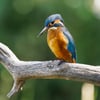
Common Kingfisher
Alcedo atthis
Also known as: European Kingfisher, Eurasian Kingfisher
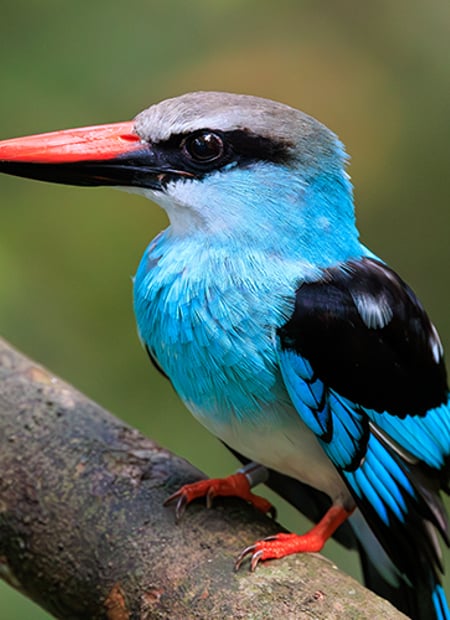
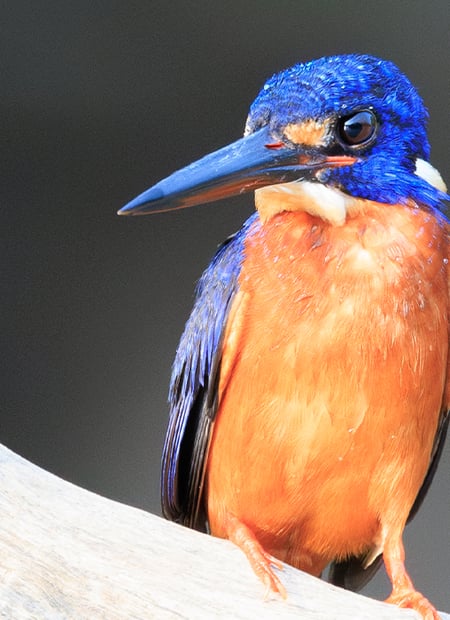
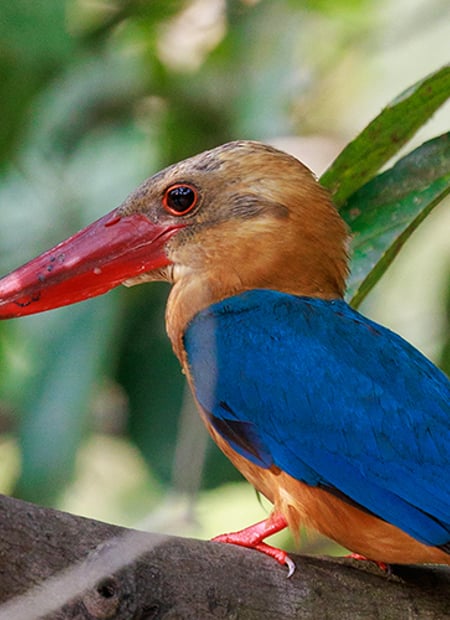
The Common Kingfisher is a small, distinctively blue and orange bird found near slow-moving or still water. They are expert anglers, perching patiently on branches before diving vertically at high speeds to snatch unsuspecting fish. To protect their eyes upon impact with the water, they have a special third eyelid (nictitating membrane) that acts like a pair of swimming goggles.
Common Kingfisher Quick Facts
Frequently Asked Questions About the Common Kingfisher
The Common Kingfisher is partially migratory and is associated with Rivers, lakes, wetlands in Worldwide, especially Europe, Asia, Africa, and Australia.
The Common Kingfisher can be found in Worldwide, especially Europe, Asia, Africa, and Australia and is most often associated with Rivers, lakes, wetlands.
The Common Kingfisher feeds on Fish, aquatic insects and is considered a piscivore.
The Common Kingfisher is currently listed as Least Concern, with a stable population trend. Main threats include Water pollution, River management, Severe winters.
The Common Kingfisher is usually solitary/territorial.
The Common Kingfisher is typically diurnal.
The main threats facing the Common Kingfisher include Water pollution, River management, and Severe winters.
The Common Kingfisher population trend is currently stable.
Well-known places to look for the Common Kingfisher include Rivers across the UK and River Wey.
Natural predators of the Common Kingfisher include Cats, Foxes, and Sparrowhawks.
Often associated with peace and tranquility in literature.
The Common Kingfisher is part of the Alcedinidae family and a Coraciiformes order.
The Common Kingfisher weighs about 0.04 kg, stands around 16 cm tall, reaches about 16 cm in length, and has a wingspan of about 25 cm.
The Common Kingfisher can reach speeds of around 40 km/h.