Common Blackbird
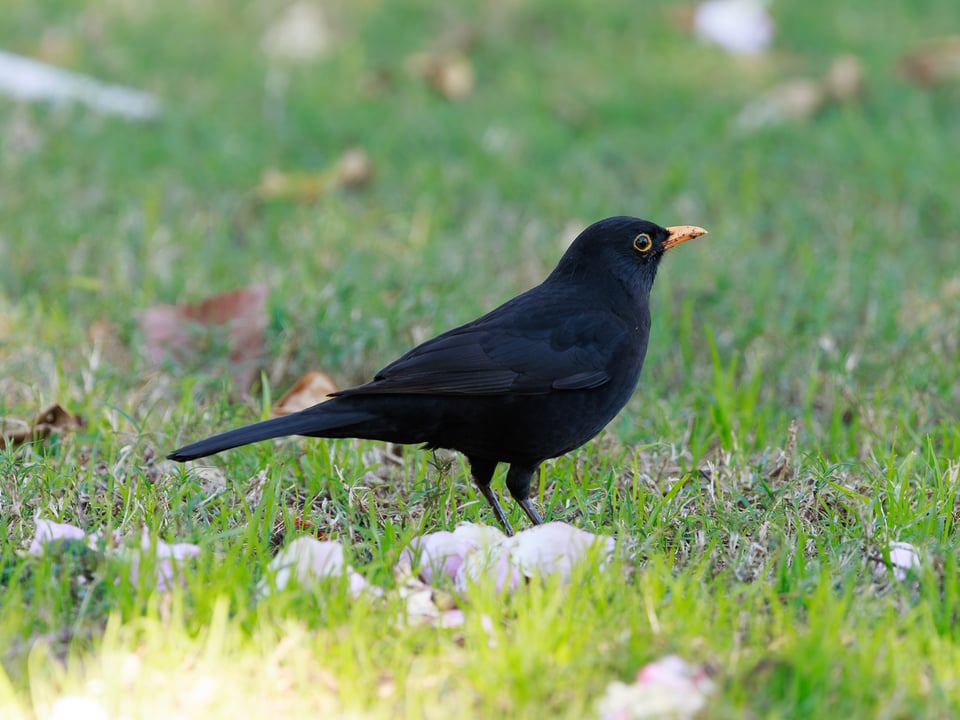
A familiar garden thrush, the glossy black male with its orange bill is famous for its rich, melodic song.
- Lifespan
- Around 3 years (wild), with records of over 20 years
- Habitat
- Woodland, gardens, parks, hedgerows and farmland
- Diet
- Earthworms, insects, berries and fruit
- Region
- Europe, western Asia and North Africa; introduced to Australia and New Zealand
01 — Gallery
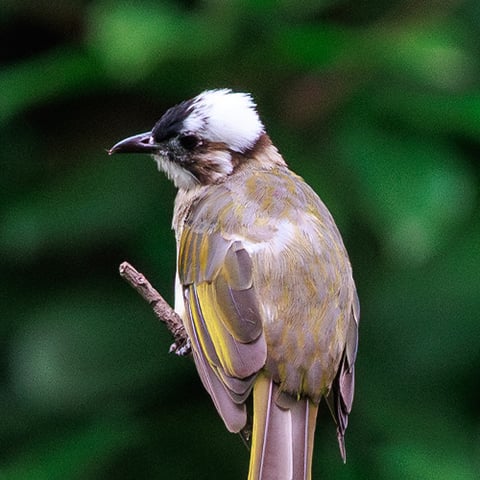
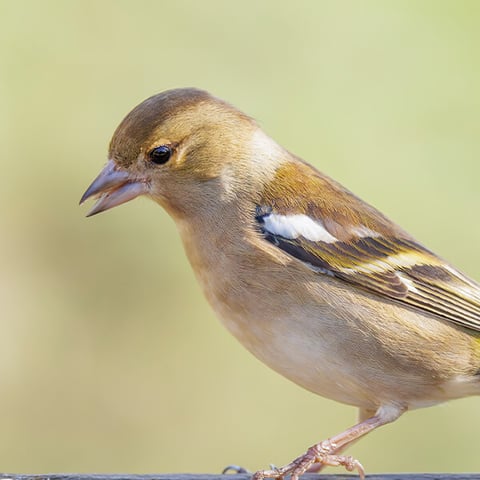
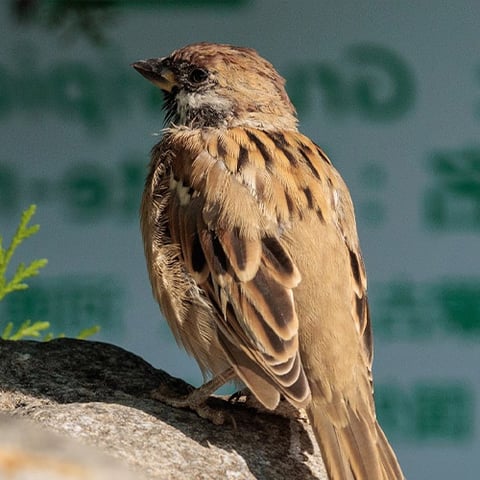
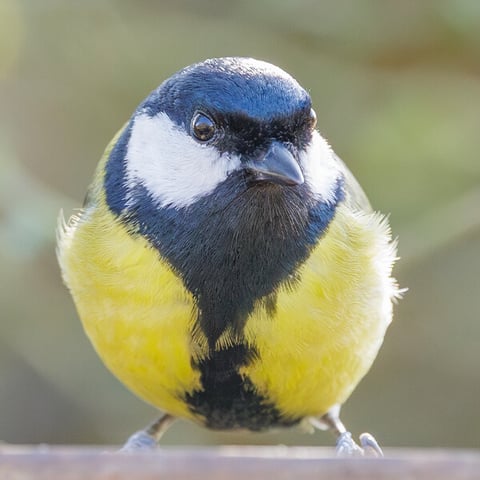
Common Blackbird photographs
Select a photograph to view it full size.
02 — Field guide
Getting to know the Common Blackbird
The Common Blackbird, also known as the Eurasian Blackbird, is a medium-sized thrush found across Europe, western Asia and North Africa. Males are glossy black with a bright orange-yellow bill and eye-ring, while females are dark brown with a streaky throat. A familiar bird of gardens, parks and woodland, it forages on lawns for earthworms and insects and is celebrated for its rich, fluting song.
Questions & answers
No. Only adult males are black with an orange-yellow bill. Females are dark brown with a paler, streaked throat, and young birds are brown with speckled underparts.
It breeds across Europe, western Asia and North Africa, and was introduced to Australia and New Zealand. It thrives in woodland, farmland, parks and gardens, including in towns and cities.
It is an omnivore. It pulls earthworms from lawns and searches leaf litter for insects, switching to berries and fallen fruit in autumn and winter.
The Common Blackbird is listed as Least Concern. It has a very large range and population, although local numbers can be affected by disease such as Usutu virus.
The Common Blackbird is usually solitary or in pairs; males defend breeding territories.
The Common Blackbird is typically diurnal.
The Common Blackbird is mostly resident; northern and eastern populations migrate south and west in winter.
The main threats facing the Common Blackbird include Predation by domestic cats, Disease, including Usutu virus, and Loss of hedgerows and garden habitat.
The Common Blackbird population trend is currently increasing.
Well-known places to look for the Common Blackbird include Gardens and parks across the UK and Europe and Deciduous woodland and hedgerows.
Natural predators of the Common Blackbird include Cats, Sparrowhawks, Foxes, and Magpies and crows (eggs and chicks).
The blackbird is the national bird of Sweden and features in the nursery rhyme 'Sing a Song of Sixpence' and The Beatles' song 'Blackbird'.
The Common Blackbird is part of the Turdidae family and a Passeriformes order.
The Common Blackbird weighs about 0.1 kg, stands around 25 cm tall, reaches about 25 cm in length, and has a wingspan of about 36 cm.