Cattle Egret
Bubulcus ibis
Also known as: Buff-backed Heron
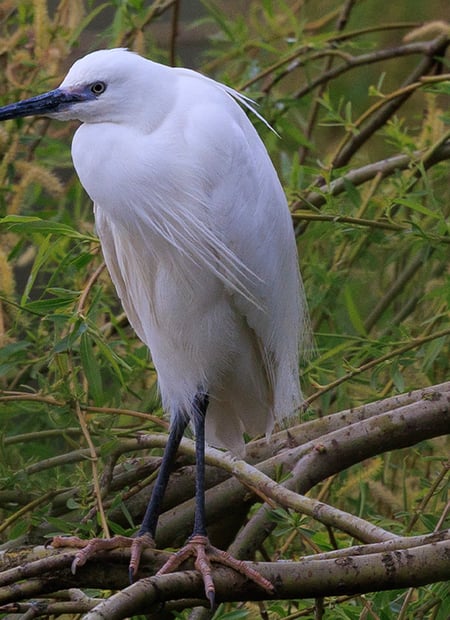
The Cattle Egret is a compact white heron originally native to parts of Asia, Africa, and Europe, but has successfully colonized much of the rest of the world. It is highly distinguished by its close relationship with cattle and other large grazing animals, following them to feed on insects disturbed by their movement. During the breeding season, adults develop striking buff-orange plumes on their head, chest, and back.
Cattle Egret Quick Facts
Frequently Asked Questions About the Cattle Egret
They follow grazing cattle to catch grasshoppers and other insects that are stirred up from the vegetation as the animals walk.
Some populations are migratory, while those in warmer tropical regions are sedentary or perform short-distance dispersal.
They are highly adaptable and strong fliers, allowing them to cross oceans and colonize new continents where livestock farming expanded.
The Cattle Egret is usually gregarious (colonial nesting).
The Cattle Egret is typically diurnal.
The Cattle Egret is partially migratory.
The main threats facing the Cattle Egret include Pesticide use and Wetland conversion.
The Cattle Egret population trend is currently increasing.
Well-known places to look for the Cattle Egret include Everglades National Park (USA), Camargue (France), and Okavango Delta (Botswana).
Natural predators of the Cattle Egret include Hawks, Owls, and Raccoons (on eggs).
Appreciated by farmers as natural pest controllers in agricultural fields.
The Cattle Egret is part of the Ardeidae family and a Pelecaniformes order.
The Cattle Egret weighs about 0.36 kg, stands around 51 cm tall, reaches about 51 cm in length, and has a wingspan of about 92 cm.
The Cattle Egret can reach speeds of around 40 km/h.