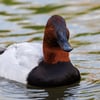
Canvasback
Aythya valisineria
Also known as: Can
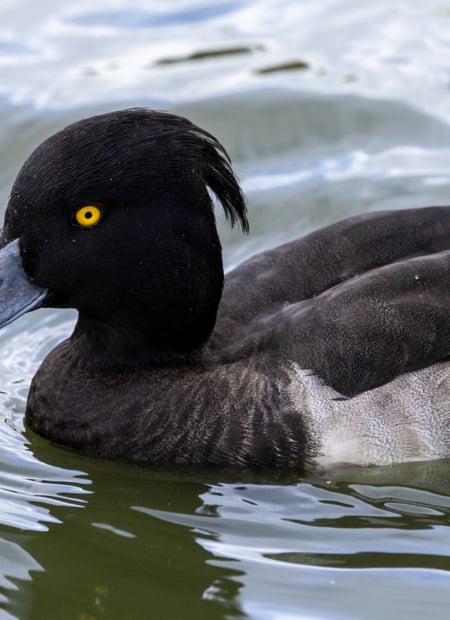
The Canvasback is a diving duck known for its striking red eyes and sloping profile. It is commonly found in North American wetlands.
Canvasback Quick Facts
Frequently Asked Questions About the Canvasback
The Canvasback is migratory and is associated with Wetlands, marshes, and lakes in North America.
The Canvasback can be found in North America and is most often associated with Wetlands, marshes, and lakes.
The Canvasback feeds on Aquatic plants, seeds, and invertebrates and is considered a omnivore.
The Canvasback is currently listed as Least Concern, with a stable population trend. Main threats include Wetland loss, Lead poisoning.
The Canvasback is usually gregarious.
The Canvasback is typically diurnal.
The main threats facing the Canvasback include Wetland loss and Lead poisoning.
The Canvasback population trend is currently stable.
Well-known places to look for the Canvasback include Chesapeake Bay (USA) and Mississippi Flyway.
Natural predators of the Canvasback include Foxes, Eagles, and Snapping turtles.
Known as the 'Aristocrat of Ducks' due to its fast flight and table quality in history.
The Canvasback is part of the Anatidae family and an Anseriformes order.
The Canvasback weighs about 1.2 kg, stands around 53 cm tall, reaches about 56 cm in length, and has a wingspan of about 85 cm.
The Canvasback can reach speeds of around 115 km/h.