Barn Owl
A pale owl with a heart-shaped face that hunts silently over open farmland and grassland at night.
- Lifespan
- Around 4 years (wild)
- Habitat
- Farmland, rough grassland and field edges
- Diet
- Small mammals, especially voles, mice and shrews
- Region
- Worldwide except Antarctica
01 — Gallery
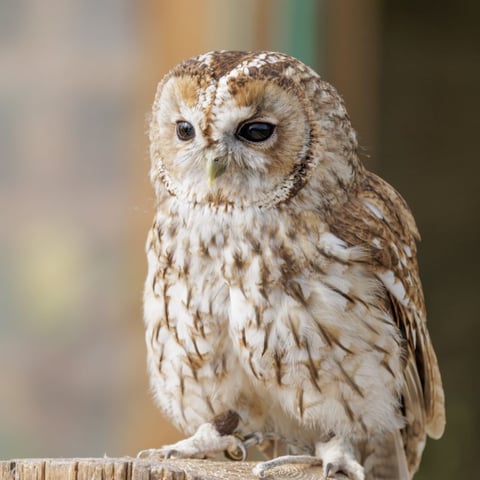
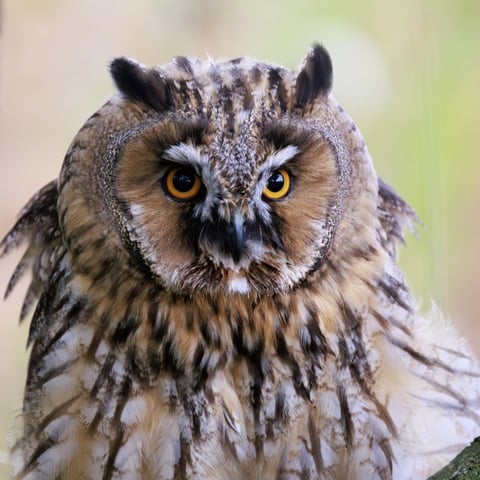
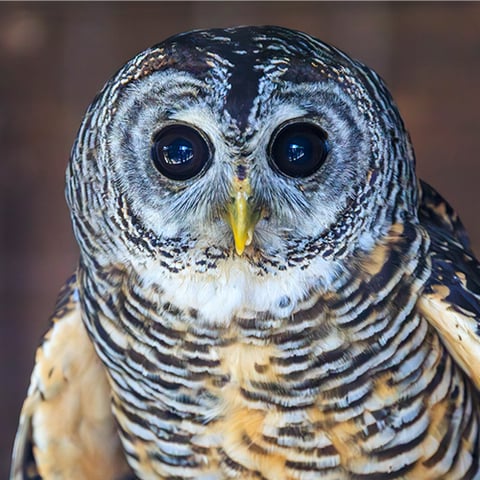
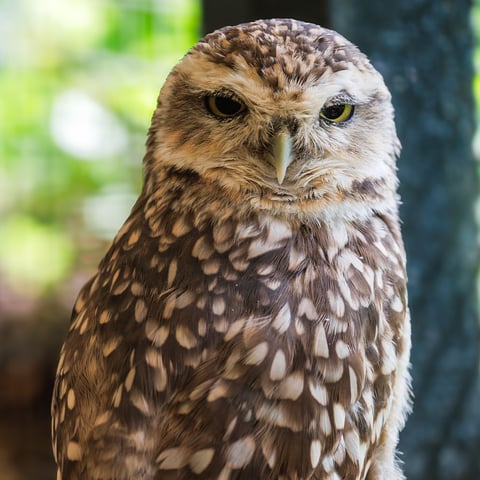
Barn Owl photographs
Select a photograph to view it full size.
02 — Field guide
Getting to know the Barn Owl
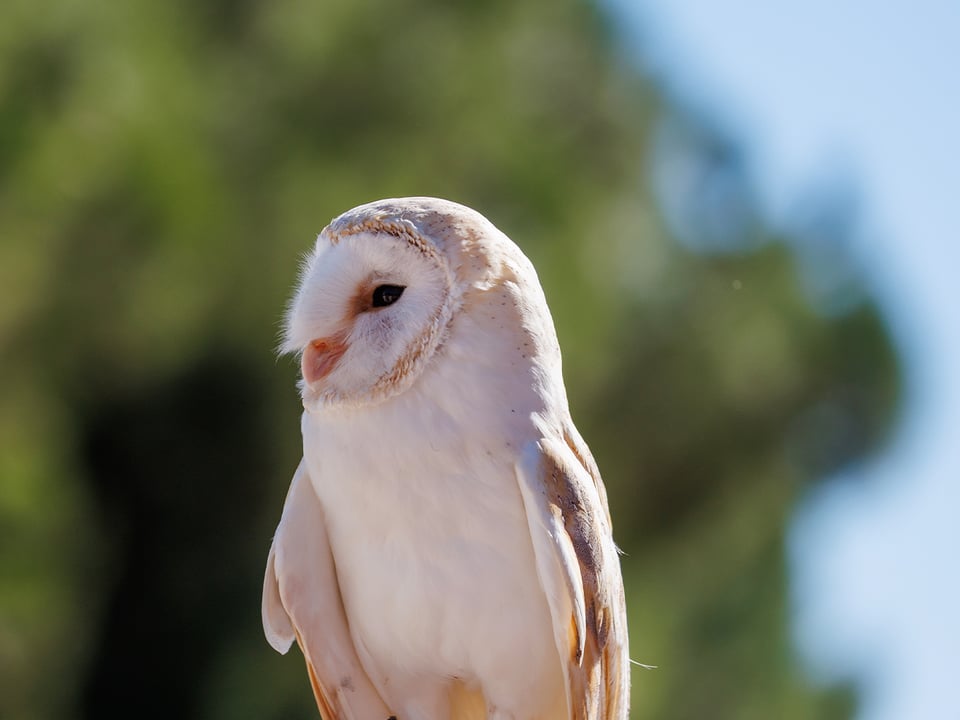
The Barn Owl is a pale, ghostly owl recognised by its heart-shaped white facial disc, dark eyes and golden-buff back flecked with grey. It is one of the most widespread land birds in the world, found on every continent except Antarctica. Barn Owls hunt mostly at night and dusk, quartering slowly and silently over rough grassland, field margins and riverbanks, and nest in old barns, hollow trees and nest boxes.
Questions & answers
The facial disc works like a satellite dish, funnelling sound towards the ears. Combined with ears set at different heights, it lets the Barn Owl locate prey precisely by sound, so it can hunt in near-total darkness.
Barn Owls are found across Europe, Africa, the Americas, southern Asia and Australia, making them one of the most widespread land birds on Earth. They favour open country such as farmland, rough grassland and marshes, and nest in barns, church towers, hollow trees and nest boxes.
It is a carnivore that feeds mainly on small mammals, especially field voles, mice and shrews. A breeding pair can catch thousands of rodents a year, which is why farmers have long welcomed them.
The Barn Owl is listed as Least Concern worldwide thanks to its huge range. Locally it has declined because of the loss of rough grassland and old nest sites, collisions with road traffic and poisoning from rodenticides.
The Barn Owl is usually solitary or in pairs; pairs often stay together for life.
The Barn Owl is typically nocturnal.
The Barn Owl is resident.
The main threats facing the Barn Owl include Loss of rough grassland hunting habitat, Collisions with road traffic, Rodenticide poisoning, and Loss of nest sites in old buildings and trees.
The Barn Owl population trend is currently stable.
Well-known places to look for the Barn Owl include Farmland and river valleys across the UK and Doñana National Park (Spain).
Natural predators of the Barn Owl include Eagle-owls, Goshawks, and Martens and other mammals (eggs and chicks).
Its eerie shriek and pale form at night made it a common source of ghost stories, while farmers have long valued it as a natural rodent catcher.
The Barn Owl is part of the Tytonidae family and a Strigiformes order.
The Barn Owl weighs about 0.3 kg, stands around 35 cm tall, reaches about 35 cm in length, and has a wingspan of about 90 cm.
03 — Related