Atlantic Puffin
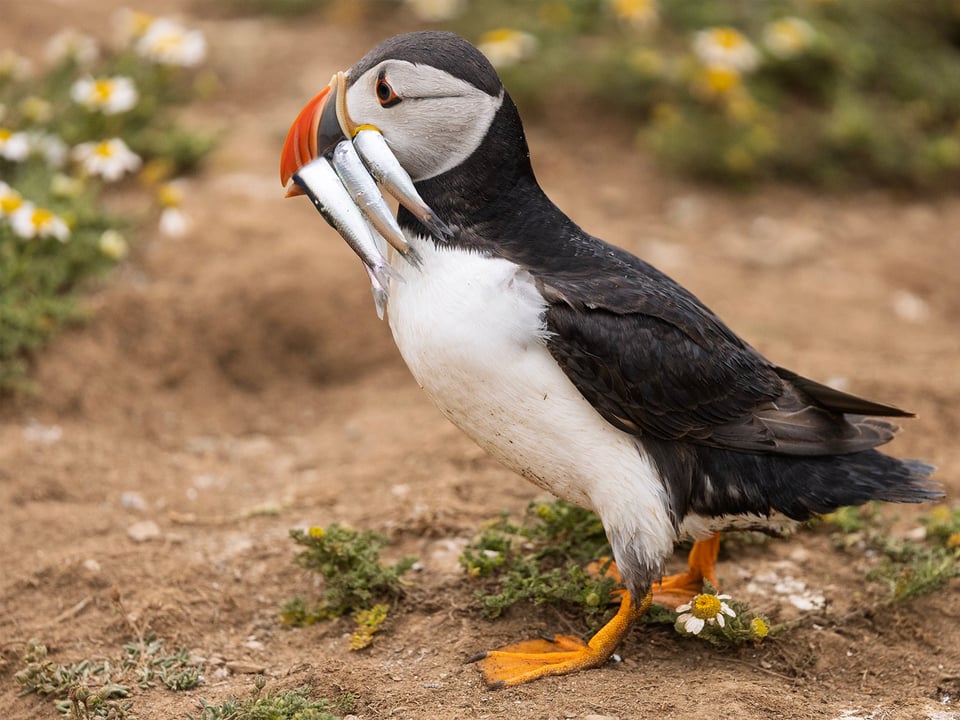
A charismatic North Atlantic seabird famous for its colourful breeding-season bill, clifftop burrows, and beakfuls of sand eels.
- Lifespan
- 20-30 years
- Habitat
- Open ocean; breeds on grassy sea cliffs and offshore islands
- Diet
- Sand eels, sprats, herring, capelin, small crustaceans
- Region
- North Atlantic (Northern Europe, Iceland, Faroe Islands, Newfoundland, Maine)
01 — Gallery
Atlantic Puffin photographs
Select a photograph to view it full size.
02 — Field guide
Getting to know the Atlantic Puffin
The Atlantic Puffin is a small, stocky auk of the North Atlantic, instantly recognisable by its black back, white underparts, pale grey face, and spectacular triangular bill striped in orange, yellow, and blue-grey during the breeding season. Puffins spend most of the year far out at sea, returning in spring to dense clifftop colonies where pairs excavate burrows in soft turf or nest among boulders. Excellent underwater swimmers, they use their wings to 'fly' beneath the waves in pursuit of small fish such as sand eels. Declines in prey availability linked to warming seas have caused significant population drops across parts of their range.
Questions & answers
Atlantic Puffins breed at coastal colonies around the UK from late March to late July. Skomer Island in Pembrokeshire, the Farne Islands in Northumberland, the Isle of May, and Shetland are among the best places to see them up close.
The puffin's bright bill is a breeding-season display used to attract and bond with a mate. After the breeding season, the colourful outer plates are shed, leaving a smaller, duller bill for the winter at sea.
Outside the breeding season, Atlantic Puffins live entirely at sea, spreading out across the North Atlantic and rarely coming ashore until they return to their colonies the following spring.
The Atlantic Puffin is listed as Vulnerable on the IUCN Red List, mainly due to rapid declines in parts of its European range linked to food shortages, climate change, and predation.
The Atlantic Puffin is usually colonial; monogamous pairs.
The Atlantic Puffin is typically diurnal.
The Atlantic Puffin is partial migrant (winters at sea).
The main threats facing the Atlantic Puffin include Declining sand eel and prey fish stocks, Climate change and rising sea temperatures, Invasive predators (rats, mink) on breeding islands, Oil spills and marine pollution, and Avian influenza.
The Atlantic Puffin population trend is currently decreasing.
Well-known places to look for the Atlantic Puffin include Skomer Island (Pembrokeshire, Wales), Farne Islands (Northumberland, England), Isle of May (Scotland), Sumburgh Head (Shetland, Scotland), and Látrabjarg Cliffs (Iceland).
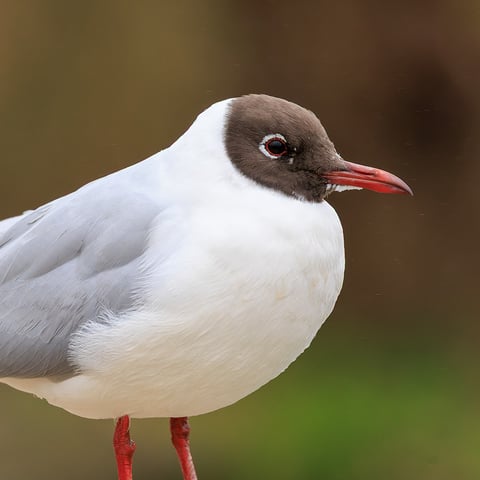
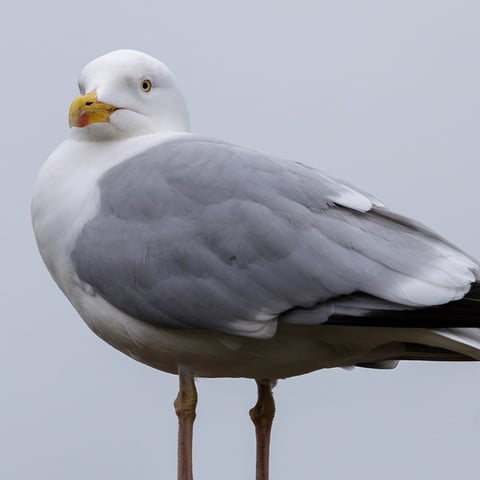
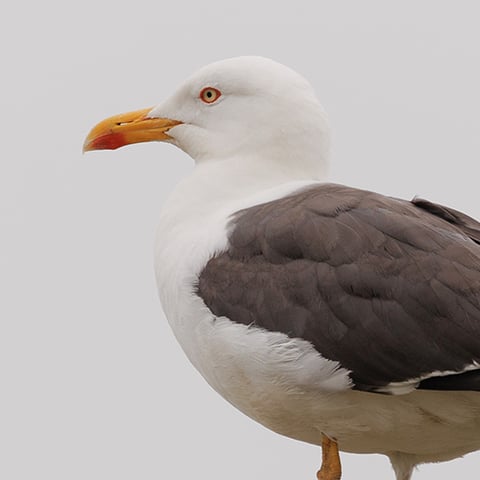
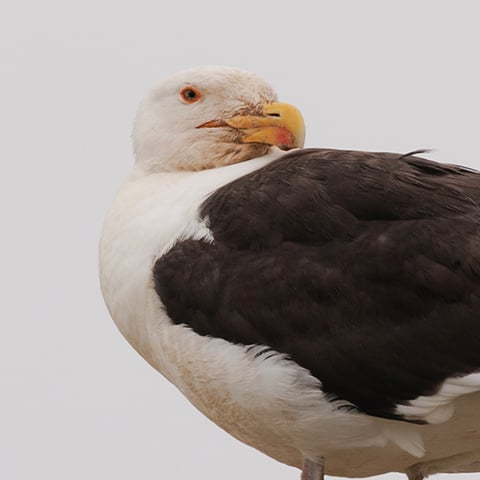
Natural predators of the Atlantic Puffin include Great Black-backed Gulls, Great Skuas, Herring Gulls (on chicks and eggs), Peregrine Falcons, and Rats and foxes (on burrows).
A national icon of Iceland and the official bird of Newfoundland and Labrador, the puffin's comical appearance has earned it nicknames like 'sea parrot' and 'clown of the sea', making it one of the most beloved seabirds in the world.
The Atlantic Puffin is part of the Alcidae family and a Charadriiformes order.
The Atlantic Puffin weighs about 0.5 kg, stands around 20 cm tall, reaches about 30 cm in length, and has a wingspan of about 55 cm.
The Atlantic Puffin can reach speeds of around 88 km/h.