Andean Flamingo
Phoenicoparrus andinus
Also known as: Parina grande
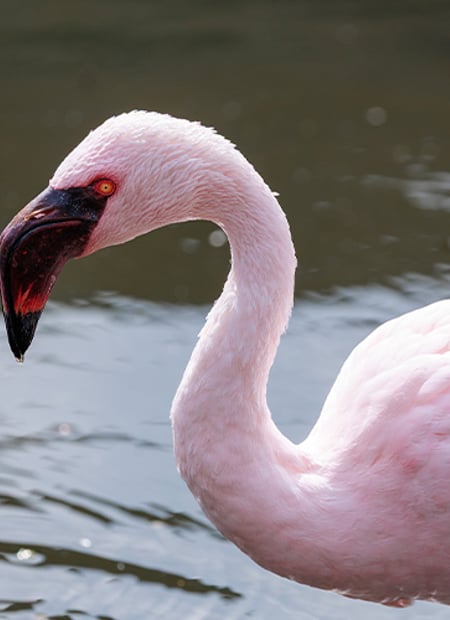
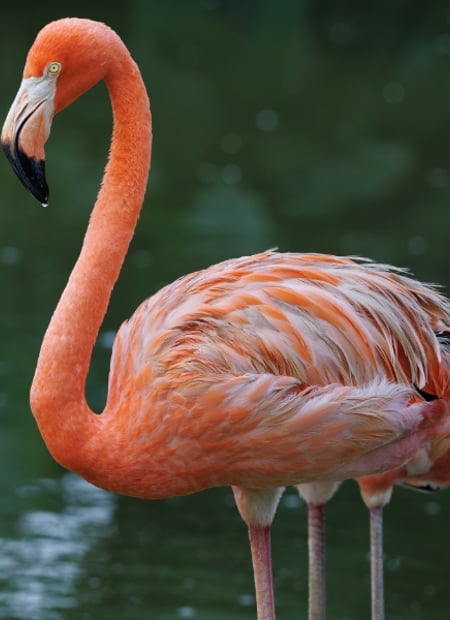
The Andean Flamingo is a high-altitude species found in the Andean plateaus of South America, recognised by its pale pink plumage and yellow-tipped bill adapted for filter feeding in alkaline lakes.
Andean Flamingo Quick Facts
Frequently Asked Questions About the Andean Flamingo
The Andean Flamingo is nomadic and is associated with High-altitude saline lakes and wetlands in Andes (South America).
The Andean Flamingo can be found in Andes (South America) and is most often associated with High-altitude saline lakes and wetlands.
The Andean Flamingo feeds on Algae, diatoms, small invertebrates and is considered a herbivore (filter feeder).
The Andean Flamingo is currently listed as Vulnerable, with a decreasing population trend. Main threats include Mining activities, Water diversion, Tourism.
The Andean Flamingo is usually gregarious.
The Andean Flamingo is typically diurnal.
The main threats facing the Andean Flamingo include Mining activities, Water diversion, and Tourism.
The Andean Flamingo population trend is currently decreasing.
Well-known places to look for the Andean Flamingo include Salar de Atacama (Chile) and Laguna Colorada (Bolivia).
Natural predators of the Andean Flamingo include Culpeo foxes and Andean gulls (on eggs).
One of the rarest flamingo species in the world.
The Andean Flamingo is part of the Phoenicopteridae family and a Phoenicopteriformes order.
The Andean Flamingo weighs about 2.2 kg, stands around 110 cm tall, reaches about 110 cm in length, and has a wingspan of about 140 cm.
The Andean Flamingo can reach speeds of around 50 km/h.